

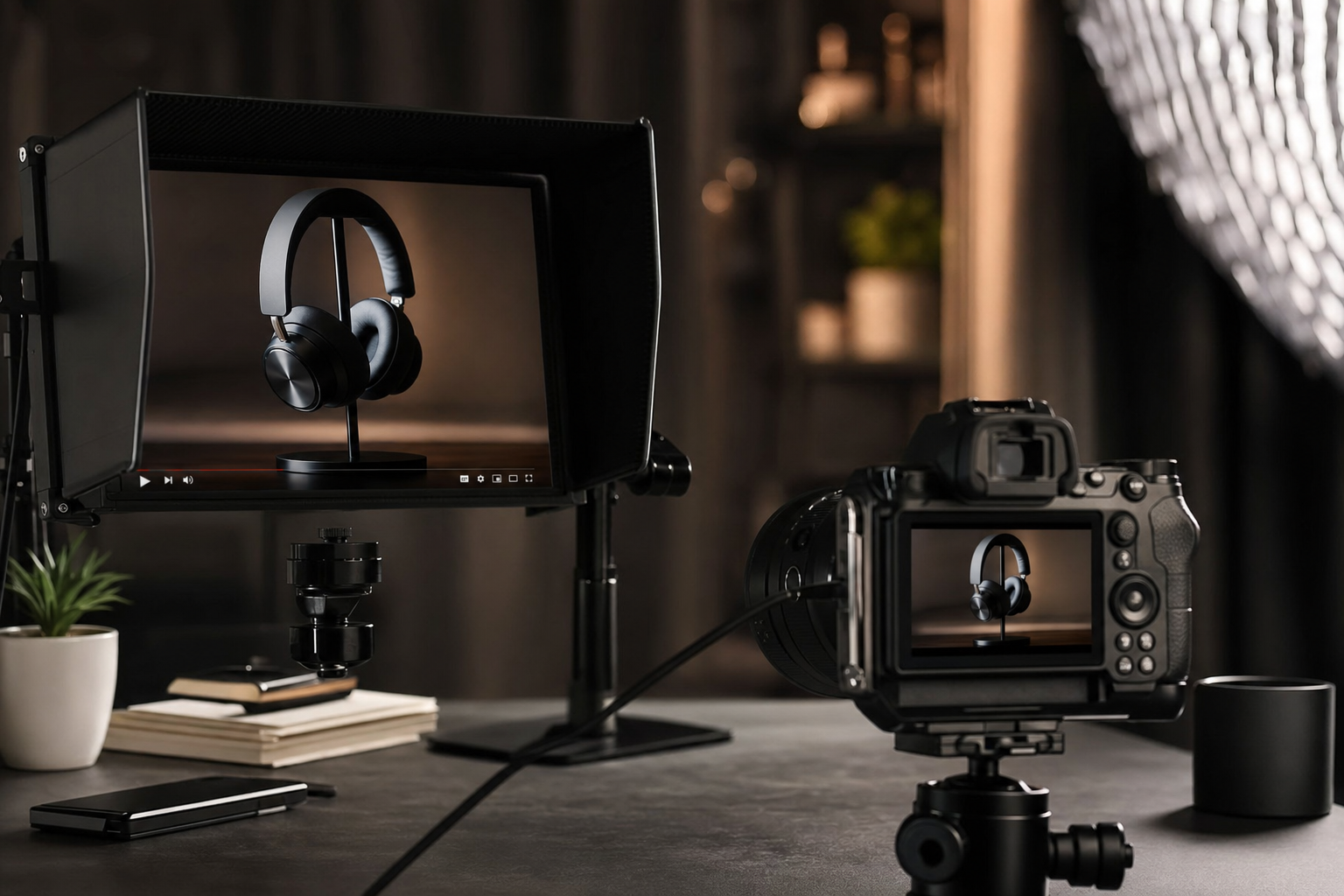
Can I Use Amazon Product Videos for Affiliate Marketing? The Complete 2026 Guide
The crisp unboxing shot. The slow-motion pour. The perfectly lit product spin that makes viewers reach for their wallets. Video content converts at rates that make static images look like relics from the dial-up era. But here’s the catch that trips up most affiliate marketers: just because Amazon hosts those polished product videos doesn’t mean you can freely embed them in your affiliate content. The rules are stricter than you think, and the consequences of getting it wrong can kill your income stream faster than a copyright strike.
Amazon’s Operating Agreement for the Associates Program contains specific guidelines about what visual content you can and cannot use. Most affiliates discover these restrictions only after investing hours into content creation, wondering why their conversions aren’t matching the effort. The short answer? No, you generally cannot directly use Amazon’s product videos in your affiliate marketing without explicit permission. But the longer answer opens up far more interesting opportunities.
Understanding these boundaries isn’t about limitation. It’s about discovering where the real competitive advantage lives in 2026: creating original video content that outperforms anything Amazon hosts on their platform.
Understanding Amazon Associates Program Video Restrictions
Amazon’s Operating Agreement treats video content differently than product images. While you’re explicitly allowed to use Amazon product images in your affiliate promotions (with proper attribution and linking), video content falls into a gray zone that leans heavily toward prohibition.
The core issue centers on copyright and licensing. Those product videos on Amazon listings belong to either Amazon itself or the brand manufacturers who uploaded them. Neither party has granted broad usage rights to affiliates. When you embed or download an Amazon product video for use on your blog, YouTube channel, or social media, you’re technically using copyrighted material without permission.
Here’s what the rules explicitly allow:
- Static product images from Amazon with proper SiteStripe links
- Text-based product information and descriptions
- Pricing information (with required disclaimers about update timing)
- Customer review excerpts following specific guidelines
Notice what’s absent? Video content. The omission isn’t accidental.
Some affiliates argue that embedding Amazon’s native video player (which keeps the video hosted on Amazon’s servers) falls within acceptable use. This interpretation exists in a legal twilight zone. Amazon hasn’t explicitly approved it, but they also haven’t systematically cracked down on the practice. Relying on this ambiguity puts your affiliate account at risk, especially as Amazon tightens enforcement in 2026.
Why Amazon Protects Product Video Content
Understanding the why behind these restrictions helps you navigate smarter strategies. Amazon invests millions in product videography, studio setups, and content guidelines for sellers. These videos serve specific conversion goals within Amazon’s ecosystem. They want customers viewing products on Amazon properties, not on external sites where competing checkout options exist.
Brand manufacturers face similar concerns. A company might spend $5,000 creating a stunning product video, only to see it scattered across hundreds of affiliate sites with no control over context or messaging. That video could appear next to competitor products, misleading information, or brand-damaging content.
The protection also serves Amazon’s traffic goals. Every external use of their video content represents a potential customer who might complete their research and purchase journey without ever clicking through to Amazon. That defeats the entire purpose of the affiliate relationship, where Amazon pays commissions specifically for driving qualified traffic to their platform.
For affiliates, this creates a fundamental choice: find legitimate workarounds within Amazon’s framework, or create original video content that you fully own and control.
Creating Original Product Videos That Convert Better
This is where smart affiliates separate themselves from the crowd in 2026. Original video content doesn’t just solve the copyright problem. It crushes generic Amazon footage in every meaningful metric: engagement, trust, conversion rate, and search visibility.
When you create your own product videos, you control the narrative. You can address the specific questions your audience asks. You can demonstrate use cases that matter to your niche. You can inject personality and authority that no sterile product spin can match.
At Roopol Studio, we work with brands and content creators throughout Toronto and the GTA who’ve discovered this competitive edge. A well-produced unboxing video with genuine first impressions outperforms manufacturer footage because it carries authenticity that viewers can sense. The slight imperfections, the real reactions, the actual hands using the product in natural lighting rather than studio perfection.
Consider the anatomy of a high-converting affiliate product video:
The Hook (First 3 Seconds): Show the most visually compelling aspect immediately. The product in action. The unexpected result. The problem being solved. Lose viewers here and nothing else matters.
The Problem Frame (5-10 Seconds): Quickly establish why someone needs this product. Not features, but the frustration or desire it addresses. Make viewers nod along because you’re describing their exact situation.
The Demonstration (20-40 Seconds): Show the product doing what it promises. Multiple angles. Real use. This section separates amateur from professional video content. Poor lighting, shaky footage, or unclear shots kill credibility instantly.
The Honest Assessment (10-20 Seconds): What works exceptionally well? What’s merely adequate? Viewers trust balanced reviews infinitely more than pure promotion. Mention one minor limitation and your credibility skyrockets.
The Call to Action (5 Seconds): Clear, direct, with your affiliate link prominently displayed. No confusion about next steps.
Professional video production elevates every element of this structure. Proper lighting reveals product details that convince hesitant buyers. Stabilized footage looks professional rather than amateurish. Clean audio keeps viewers engaged rather than reaching for the skip button.
Equipment and Setup for Affiliate Product Videos
You don’t need Hollywood budgets to create affiliate videos that convert. But you do need to clear minimum quality thresholds that signal trustworthiness to viewers. In 2026, smartphone cameras have reached professional quality levels, but only when paired with proper support equipment and technique.
Start with stability. Handheld footage screams amateur in ways that undermine your authority. A basic tripod costs less than most products you’re reviewing and instantly upgrades perceived quality. For dynamic shots, a simple gimbal stabilizer transforms movement from nauseating to cinematic.
Lighting matters more than camera quality. Natural window light works beautifully for many products, but only during specific times of day. Invest in a basic two-light setup: a key light for primary illumination and a fill light to soften shadows. The difference between flat, muddy footage and professional-looking video often comes down to light placement rather than camera specs.
Audio quality separates watchable from unwatchable. Built-in camera microphones pick up every environmental sound except your voice clearly. A lavalier mic for talking-head segments or a shotgun mic for product demonstrations costs less than dinner out but makes the difference between viewers staying or leaving.
Your backdrop matters enormously for product focus. Clean, uncluttered backgrounds keep attention on the product. A simple white or neutral backdrop works for most items. For lifestyle products, contextual settings work better: kitchen items in an actual kitchen, tech products on a clean desk setup, outdoor gear in natural settings.
The real secret? Consistency across your video library. Choose a visual style and maintain it. Viewers should recognize your content instantly. This brand recognition builds trust that converts casual viewers into clicking buyers.
Legal Alternatives for Using Existing Video Content
If creating original videos feels overwhelming, several legitimate paths exist for incorporating video into your affiliate marketing without violating Amazon’s terms or copyright law.
Reach Out to Brands Directly: Many manufacturers maintain affiliate programs separate from Amazon. Contact their marketing departments and ask for permission to use their product videos. Explain your audience size, content quality, and promotional approach. Brands often say yes, especially if you have an engaged following in their target demographic. Get permission in writing.
Use Amazon’s Native Embedding Options: While risky, some affiliates use Amazon’s iframe embeds that keep videos hosted on Amazon servers. This approach minimizes copyright concerns since you’re not downloading or re-hosting content. However, Amazon’s terms remain ambiguous about this practice, so proceed with awareness of potential account risk.
License Stock Footage: For product categories rather than specific items, stock video libraries offer affordable footage. A video about kitchen organization can use stock footage of organized kitchens, then cut to your specific product recommendations. This approach works better for listicles and category guides than individual product reviews.
Collaborate With Other Creators: Partner with video creators who already produce product content. Offer to share affiliate commissions in exchange for using their footage (with proper permission). This strategy works particularly well in YouTube collaborations where you can feature each other’s content.
User-Generated Content: Encourage your audience to share their own product videos. With proper permission and release forms, you can feature customer content that adds authenticity. Real users in real settings often convert better than professional marketing videos anyway.
Optimizing Video Content for Affiliate Conversions
Creating video content solves the copyright problem, but conversion optimization determines whether that effort translates to income. The gap between a video that gets views and a video that generates affiliate sales comes down to strategic elements most creators overlook.
Place your affiliate links strategically within video context. YouTube descriptions should feature links in the first two lines, before the “show more” fold. Blog-embedded videos need prominent links immediately above and below the video player. Don’t make viewers hunt for purchase paths.
Timestamps transform longer videos into conversion tools. Mark exactly where you discuss each product feature, pros and cons, and final recommendations. Viewers can jump to the information they need, reducing friction in the decision process. Time-stamped descriptions also improve search visibility.
Create urgency without being pushy. Mention current prices with the standard disclaimer that Amazon pricing changes frequently. Note when products have limited availability or when sales periods end. Scarcity motivates action, but only when presented as helpful information rather than aggressive selling.
Test different video lengths for different product categories. Tech products often need longer explanations with detailed feature breakdowns. Simple household items convert better with concise 60-90 second videos that respect viewer time. Fashion and lifestyle products benefit from showing multiple styling options or use cases.
Track performance ruthlessly. Which videos generate the most affiliate clicks? Which products convert viewers to buyers at the highest rates? Double down on what works. The beauty of original content is you can iterate and improve based on real data rather than guessing what might work with someone else’s video.
At Roopol Studio, we help brands and content creators develop comprehensive content strategies that combine video, photography, and social media optimization. The affiliate marketers who thrive in 2026 treat their content creation as seriously as any e-commerce business treats product photography.
Building a Sustainable Affiliate Video Content System
The difference between occasional affiliate income and a reliable revenue stream lies in systematic content production. One-off product videos might generate short-term commissions, but a content library working for you 24/7 builds long-term income.
Batch your video production. Dedicate specific days to shooting multiple product videos rather than spreading production across weeks. Set up your lighting, backdrop, and audio once, then shoot five to ten products in a single session. This approach dramatically improves efficiency and maintains visual consistency.
Develop a content calendar that balances evergreen products with timely opportunities. Core products in your niche deserve annual update videos as new versions release. Seasonal products need strategic timing: publish winter gear reviews in October, not January when the season’s half over.
Repurpose video content across multiple platforms. That YouTube product review becomes Instagram Reels showcasing key features. Blog posts embed the full video while providing written details for readers who prefer text. TikTok gets the 15-second hook that drives viewers to your longer content. Each platform feeds your affiliate funnel differently.
Build relationships with brands whose products you genuinely use and recommend. When you consistently create quality content around specific product lines, manufacturers notice. These relationships can evolve into sponsored content opportunities, early access to new products, and potentially higher commission rates through direct partnerships.
Invest in your skills continuously. Video production techniques evolve rapidly. Color grading trends change. Audience preferences shift. The affiliate marketers thriving in 2026 didn’t master video creation once and stop. They iterate, experiment, and improve with each piece of content.
Consider when professional production makes strategic sense. High-value product reviews, flagship content pieces, or videos targeting competitive keywords might justify professional social media content creation services. The ROI calculation is simple: if professional quality increases conversion rates by even 20 percent on a video that generates thousands in commissions, the production cost pays for itself many times over.
The Future of Video Content in Affiliate Marketing
Looking ahead in 2026 and beyond, video content isn’t just important for affiliate marketing. It’s becoming the baseline expectation. Text-only reviews increasingly look dated. Static images feel incomplete. Audiences expect to see products in action before committing to purchases, especially as average order values increase.
Short-form video platforms continue dominating discovery. TikTok, Instagram Reels, and YouTube Shorts drive enormous traffic to affiliate content, but only when videos hook viewers in the first second. The compression and intensity of short-form content raises the bar for production quality and creative approach.
Interactive video formats offer new conversion opportunities. Shoppable videos that let viewers click products within the video itself reduce friction in the buying journey. While Amazon doesn’t offer these features directly to affiliates, embedding interactive elements in your own video players on blogs and landing pages can boost click-through rates significantly.
AI tools are changing production workflows, but they’re not replacing the need for original content. AI can help with editing, color correction, and even script writing. But the footage itself, the authentic demonstration and genuine review, still requires human creation. Viewers can spot AI-generated or stock footage compilations and they trust them less.
Live video streaming opens new affiliate opportunities. Real-time product demonstrations, Q&A sessions, and live unboxings create urgency and engagement that pre-recorded content can’t match. Platforms increasingly support direct shopping integration during live streams, bringing affiliate marketing closer to traditional home shopping networks but with the authenticity of peer recommendations.
The competitive moat for affiliate marketers narrows around original, quality video content. As more creators flood popular product niches, standing out requires visual storytelling that generic Amazon videos or rehashed manufacturer content simply cannot provide. This shift favors creators who invest in production quality and authentic presentation.
Frequently Asked Questions
Can I download and re-upload Amazon product videos to my YouTube channel?
No, downloading and re-uploading Amazon product videos violates copyright law and Amazon’s Operating Agreement. The videos are copyrighted material owned by Amazon or the brand manufacturers. Re-uploading them to YouTube or other platforms can result in copyright strikes on your channel and termination of your Amazon Associates account. Always create original content or obtain explicit written permission from copyright holders.
What happens if Amazon catches me using their product videos without permission?
Amazon can terminate your Associates account immediately without warning, forfeiting any unpaid commissions. You may also face copyright claims from video owners, potentially resulting in DMCA takedown notices on your content platforms and, in extreme cases, legal action. The risk far outweighs any perceived convenience of using existing footage.
Do I need expensive equipment to create product videos for affiliate marketing?
No, modern smartphones with proper lighting and stabilization can produce professional-quality affiliate videos. Focus on good lighting (natural window light or affordable LED panels), stable footage (tripod or gimbal), and clear audio (external microphone) rather than expensive cameras. Production technique and presentation matter more than equipment cost for affiliate video success.
How long should my affiliate product videos be for best conversions?
Video length depends on product complexity and platform. Simple products convert well with 60-90 second videos on social platforms. Complex products like electronics or appliances benefit from 3-5 minute detailed reviews on YouTube. Test different lengths with your specific audience, but always prioritize value density over arbitrary time targets. Every second should serve viewer needs or move them toward a purchase decision.
Can I hire a video production company to create affiliate content?
Yes, hiring professional video production services can significantly improve content quality and conversion rates. Companies like Roopol Studio in Toronto specialize in product videography and content creation that elevates brand presentation. Professional production makes strategic sense for high-value reviews, competitive keywords, or when establishing your authority in a niche. Calculate ROI based on expected commission increases versus production costs.
Partner With Visual Content Experts
The path forward for affiliate marketers is clear: original video content isn’t optional anymore. It’s the competitive advantage that separates profitable creators from those struggling for scraps in oversaturated niches. Whether you’re reviewing tech products, promoting kitchen essentials, or recommending fashion items, video content quality directly impacts your bottom line.
Creating that content yourself requires time, equipment, and skills that many affiliate marketers would rather spend on strategy and audience building. That’s where professional partnerships make strategic sense. Roopol Studio works with content creators and businesses throughout Toronto and the GTA who understand that visual content investment pays measurable returns. Our photography and videography services transform product presentations from amateur to authority-building. Ready to elevate your affiliate content above the competition? Book a free consultation and let’s discuss how professional video content can multiply your affiliate income.