

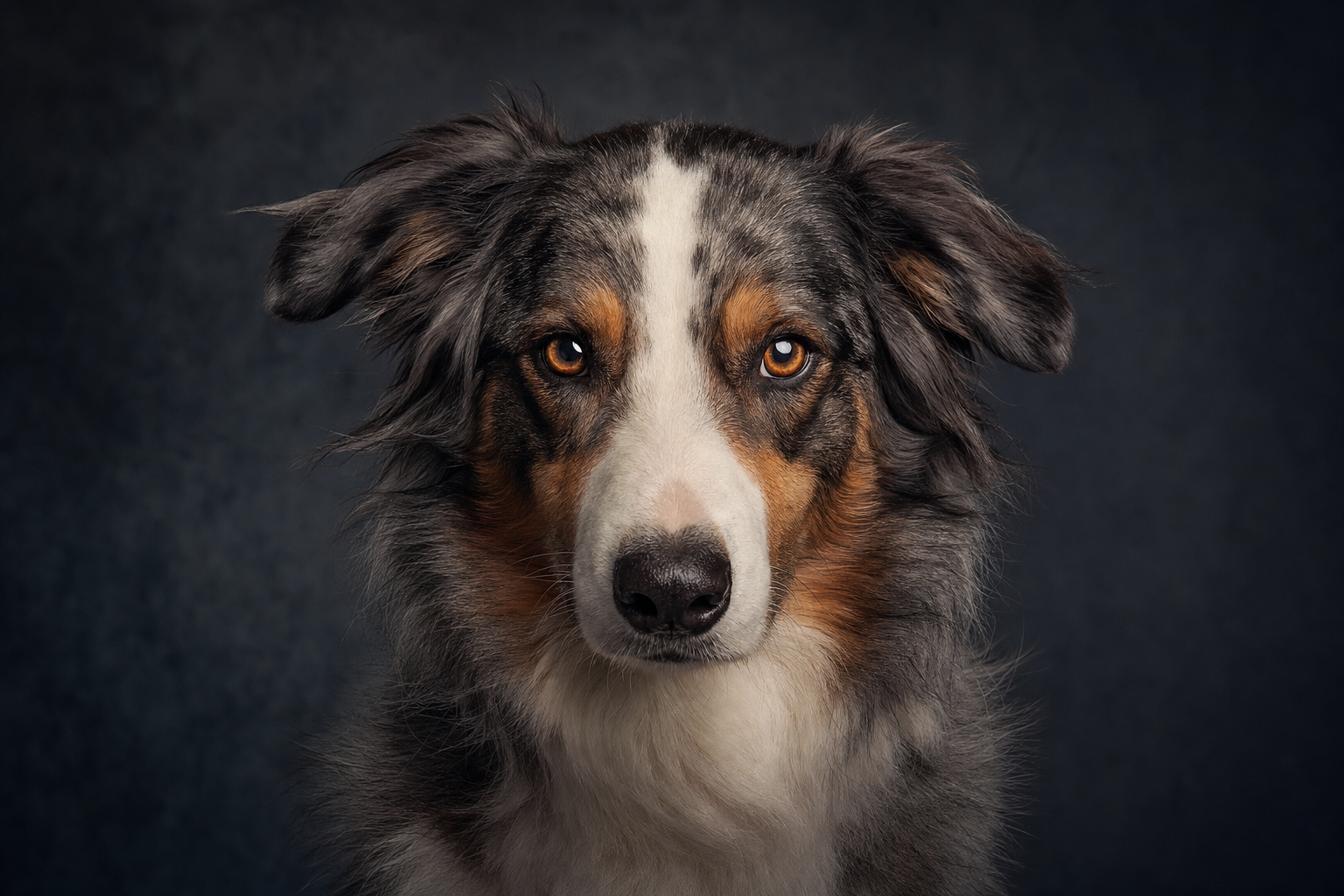
What Is a Headshot? Complete Guide to Professional Headshot Photography
A headshot is a professional photograph that focuses on your face and upper body, typically cropped from mid-chest to just above the head. Unlike casual portraits, professional headshots serve a specific business purpose: they create a polished first impression for corporate profiles, LinkedIn accounts, casting submissions, and professional websites. In Toronto’s competitive business and entertainment markets, a quality headshot has become essential for anyone building a professional brand.
This guide covers everything you need to understand about headshot photography. You’ll learn the technical definition, how headshots differ from standard portraits, specific requirements for different platforms, what to wear and how to pose, costs, and common mistakes to avoid.
Quick Answer
A headshot is a professional photograph framed from the mid-chest up that focuses on your face, using controlled lighting and neutral backgrounds to create a polished image suitable for business profiles, LinkedIn, corporate websites, and professional applications.
What Is a Headshot? Complete Definition and Purpose
A headshot is a tightly framed photograph that captures your face and shoulders as the primary subject. The framing typically extends from mid-torso to slightly above the head, with your face occupying 60-80% of the frame. This precise cropping ensures your facial features remain sharp and recognizable even when scaled down to thumbnail size on platforms like LinkedIn or corporate directories.
Headshots exist to create immediate professional credibility. When someone views your LinkedIn profile or company team page, they form an impression in seconds. A professional headshot communicates competence, approachability, and attention to detail before you’ve exchanged a single word.
The composition follows specific conventions. Studio lighting or controlled natural light eliminates harsh shadows while maintaining dimension. The background stays neutral or subtly blurred, never competing with your face. Your expression balances confidence with approachability, and your wardrobe aligns with industry expectations.
In Toronto’s diverse professional landscape, headshot standards vary by sector. Financial district professionals favor conservative styling with dark suits. Tech startup founders often choose slightly more relaxed compositions. Entertainment industry headshots require multiple looks showcasing range.
Key Takeaways
- Headshots frame face and shoulders, cropped from mid-chest to above head
- Professional headshots require controlled lighting and neutral background composition
- Different industries and platforms have specific headshot style requirements
- Toronto market expectations vary between corporate, startup, and entertainment sectors
- Quality headshots include both print-resolution and web-optimized file formats
Headshot vs Portrait: Key Differences Explained
The terms “headshot” and “portrait” are often used interchangeably, but they serve fundamentally different purposes. A portrait captures personality, mood, and artistic interpretation. Portraits embrace creative freedom: dramatic lighting, environmental context, candid moments, and varied compositions. The goal is revealing character through visual storytelling.
A headshot serves functional requirements. The framing stays consistent, the lighting remains flattering but neutral, and the composition follows industry standards. Headshots answer a specific question: “What does this professional look like?” They prioritize clarity and professionalism over artistic interpretation.
Consider the technical differences. Portraits often use shallow depth of field to blur backgrounds into soft bokeh. Professional headshots typically use moderate depth of field (f/4 to f/8), ensuring your entire face stays sharp while the background remains non-distracting.
When clients book professional photography services, the conversation starts with intended use. LinkedIn profile? Corporate headshot. Personal brand storytelling? Portrait session. Marketing materials showcasing company culture? Hybrid approach combining both styles.
Sina recommends booking headshot sessions in the late morning or early afternoon when you’re alert but not tired. Your eyes show more brightness and your expression stays natural through multiple takes, essential for getting that perfect balance between professional and approachable.
Types of Professional Headshots
Professional headshots split into distinct categories, each serving specific industry requirements and platform expectations.
Corporate and Business Headshots
Corporate headshots dominate Toronto’s professional landscape. These images appear on company websites, LinkedIn profiles, email signatures, and conference materials. The standard composition places your face and shoulders against a neutral background: solid gray, white, or subtle off-white tones. Lighting stays even across your face. Your expression conveys approachability without excessive emotion. Wardrobe follows conservative business standards with suits, blazers, and professional attire in solid colors.
Acting and Entertainment Industry Headshots
Entertainment headshots follow completely different rules. Casting directors, agents, and production companies need to see your type, range, and specific qualities that fit roles. These images require more personality than corporate headshots allow. Actors typically need multiple headshot looks. A commercial headshot shows warmth and approachability. A theatrical headshot might be more intense or dramatic. Working actors often update every 12-18 months or whenever their appearance changes notably.
Ready to book a free consultation?
Sina and the Roopol Studio creative team help Toronto and GTA brands and restaurants create visual content that converts.
Headshot Requirements for Different Platforms
Each platform where your headshot appears has specific technical requirements and style expectations. Using the wrong specifications reduces your professional impact.
LinkedIn and Professional Networks
LinkedIn displays profile photos at 400×400 pixels on desktop and scales down to 200×200 pixels on mobile. The platform automatically crops uploads to a square format, meaning rectangular headshots lose significant portions of the composition. The ideal LinkedIn headshot fills 60-70% of the square frame with your head and shoulders. LinkedIn accepts JPEG, PNG, and GIF files between 8KB and 8MB.
Corporate Websites and Team Pages
Corporate team pages typically display headshots in consistent sizes across all employees. Common dimensions range from 300×400 pixels to 600×800 pixels, always in portrait orientation with roughly 3:4 aspect ratio. Before your headshot session, review your company’s current team page to note the background colors, lighting style, and framing consistency.
Casting Profiles and Entertainment Platforms
Casting platforms like Actors Equity, Background Performers Canada, Casting Networks, and Backstage each have specific requirements for file size and dimensions. Most casting platforms want recent images that accurately represent your current appearance. Dimensions for casting typically range from 1500 to 2000 pixels on the longest side.
| Platform | Recommended Dimensions | File Format | Max File Size |
|---|---|---|---|
| 400×400 px (square) | JPEG, PNG | 8MB | |
| Corporate Website | 600×800 px (3:4 ratio) | JPEG | 1-2MB |
| Casting Networks | 1500×2000 px | JPEG | 2-3MB |
| Email Signature | 200×250 px | JPEG | 50KB |
| Social Media | 400×400 px (square/circle) | JPEG | 1MB |
What to Wear and How to Pose for Professional Headshots
Wardrobe and posing decisions dramatically impact headshot effectiveness. The right choices direct attention to your face and convey professional competence.
Wardrobe Selection for Maximum Impact
Solid colors photograph better than patterns, which create visual noise and compete with your face. Choose colors that complement your skin tone and hair color. Jewel tones (deep blue, emerald green, rich burgundy) work well for most people. Avoid pure white or black, both create contrast challenges. Medium tones in the blue-gray-navy range remain the safest corporate choice. V-necks and open collars elongate the neck and create clean lines leading to your face. Keep accessories minimal: simple earrings, a watch, a wedding band.
Posing Techniques That Flatter
Turn your shoulders slightly rather than facing the camera straight on, this creates dimension and prevents a flat appearance. Extend your neck slightly forward and down, reducing double chin appearance without looking unnatural. Eye contact makes or breaks headshot engagement. Looking directly at the camera creates connection and confidence. Your eyes should appear alert and engaged. Expression requires careful calibration. A genuine smile engages the muscles around your eyes. Many professionals prefer a slight smile or pleasant neutral expression that balances approachability with competence.
Professional Headshot Costs and What to Expect
Professional headshot pricing in Toronto and the GTA varies widely based on photographer experience, session length, number of final images, and included services.
Basic headshot sessions from newer photographers start around $150-250. These typically include 30-45 minutes of shooting time, basic retouching on 1-2 final images, and digital file delivery.
Mid-range professional sessions run $350-600. This tier typically includes 60-90 minutes of shooting time, multiple background or lighting setups, professional retouching on 3-5 final images, and comprehensive file delivery (high-resolution, web-optimized, and social media formats).
Premium headshot services cost $700-1200+. These sessions offer extended shooting time, multiple wardrobe changes, professional hair and makeup services, advanced retouching, and larger final image selections (6-10+ edited photos).
Group or team headshot sessions offer per-person pricing that decreases with volume. A company booking headshots for 10-20 employees might pay $200-300 per person, while larger organizations (50+ people) might negotiate rates as low as $150-200 per person.
| Service Level | Price Range (Toronto/GTA) | Session Length | Final Images |
|---|---|---|---|
| Basic | $150-250 | 30-45 minutes | 1-2 edited photos |
| Professional | $350-600 | 60-90 minutes | 3-5 edited photos |
| Premium | $700-1200+ | 90-120 minutes | 6-10+ edited photos |
| Corporate Group | $150-300 per person | 15-20 min per person | 2-3 per person |
What you should receive for professional pricing: pre-session consultation discussing your needs, direction during shooting, professional lighting setup appropriate for your industry, multiple shots and angles, post-session selection assistance, professional retouching (skin smoothing, color correction, minor blemish removal), and final delivery in formats suited to your specific platforms.
For professionals needing headshots plus additional branded content, a complete content package including professional photos often delivers better value than booking separate sessions.
When delivering headshots to clients across Toronto, Sina provides a complete file package: high-resolution originals for print, web-optimized versions for digital use, and square-cropped alternatives for social platforms. This eliminates the guesswork and ensures you have the right format ready when opportunities arise.
Common Headshot Mistakes to Avoid
Recognizing common headshot failures helps you evaluate photographers and identify quality headshots versus amateur photos.
Technical Quality Issues That Reveal Amateur Work
Poor lighting creates the most common failures. Harsh overhead lighting casts unflattering shadows under eyes, nose, and chin. Flat lighting from on-camera flash eliminates dimension. Quality headshots use controlled lighting that flatters facial features while maintaining natural appearance. Soft focus, motion blur, incorrect white balance, compression artifacts, and inadequate resolution all signal unprofessional photography. Quality headshots should be tack-sharp on the eyes, properly exposed, color-accurate, and delivered in appropriate resolution for intended platforms.
Composition and Background Mistakes
Background distractions sabotage otherwise good headshots. Busy patterns, recognizable locations, or elements appearing to emerge from your head all pull attention away from your face. The background should complement, never compete. Amateur photos often use cluttered environments or poorly chosen locations that undermine professional presentation. Cropping errors either waste frame space or cut too tight. Professional cropping leaves moderate space above the head (roughly 10-15% of frame height) and crops at mid-chest or slightly below.
Expression, Wardrobe, and Retouching Errors
Expression mistakes split into two categories: too stiff or too casual. The frozen corporate stare communicates competence but zero approachability. The excessive smile appears forced and unprofessional. Wardrobe errors create immediate negative impressions. Busy patterns, loud colors, excessive jewelry, visible logos, and inappropriate necklines all distract from your face. Over-retouching creates an uncanny valley effect. Headshots should look like you on your best day, not a completely different person. Smoothing skin texture into plastic perfection or whitening teeth to unnatural brightness backfires when people meet you in person.
The Costly Mistake of Outdated Headshots
Using a photo from five years ago when your appearance has changed significantly creates credibility problems. When colleagues don’t recognize you from your headshot, you’ve undermined the primary purpose: accurate professional representation. Update your headshot every 2-3 years for corporate use, or whenever your appearance changes through hairstyle, weight change, or aging.
Technical Specifications and Digital Delivery Best Practices
Understanding technical headshot specifications prevents problems when you need images for specific applications.
Resolution Requirements for Print and Digital
Print applications (business cards, brochures, conference posters) require 300 DPI at the final printed size. A headshot printing at 5×7 inches needs minimum dimensions of 1500×2100 pixels. Digital applications typically need only 72-96 DPI but benefit from larger pixel dimensions for display on high-resolution screens.
File Formats and Color Space Settings
JPEG remains the universal standard, compatible with all platforms. Save at quality level 90-95% to balance file size with image quality. PNG offers lossless compression and supports transparency, useful for headshots on transparent backgrounds, though file sizes run larger. Color space settings matter for consistency. sRGB serves as the web standard, ensuring colors display consistently across browsers and devices. Adobe RGB offers a wider color gamut useful for high-end print but can cause color shifts on standard displays.
Comprehensive Delivery Package and Workflow
The ideal delivery package includes multiple versions. High-resolution masters at 300 DPI in the largest reasonable dimensions (typically 3000-4000 pixels on the long edge) serve as source files. Web-optimized versions at 1200-1500 pixels suit most digital applications. Platform-specific versions (square crops for LinkedIn, specific dimensions for casting profiles) eliminate guesswork.
File naming conventions help organization. Use descriptive names like “YourName_Headshot_Corporate_HighRes.jpg” rather than generic camera file names. Most photographers now use online delivery through platforms like Dropbox, Google Drive, or specialized photography delivery services. These allow immediate downloads while maintaining backups accessible for future retrieval. Request access credentials remain active for at least 12 months.
For ongoing professional content needs, establish relationships with studios offering comprehensive services. When your headshot photographer also handles your social media content creation services, you maintain visual consistency across all professional platforms and simplify content management. A professional videography team can coordinate headshot sessions with video content shoots, maximizing efficiency and brand consistency.
Frequently Asked Questions
What is a headshot?
A headshot is a professional photograph framed from mid-chest to just above the head, focusing on your face and upper body. It uses controlled lighting and neutral backgrounds to create a polished image suitable for business profiles, LinkedIn accounts, corporate websites, and professional applications.
What is the difference between a headshot and a portrait?
Headshots serve functional, professional purposes with standardized framing, neutral backgrounds, and consistent lighting. Portraits emphasize artistic interpretation, personality, and storytelling, using varied compositions, creative lighting, and environmental context. Headshots prioritize clarity and professionalism following industry-specific conventions.
How much do professional headshots cost in Toronto?
Professional headshot costs in Toronto typically range from $350-600 for mid-range sessions including 60-90 minutes of shooting and 3-5 edited final images. Basic sessions start around $150-250, while premium services cost $700-1200+. Corporate group sessions provide per-person pricing of $150-300 depending on volume.
What should I wear for professional headshots?
Wear solid colors in jewel tones or neutral shades that complement your skin tone. Choose professional attire appropriate to your industry: suits or blazers for corporate contexts, slightly more relaxed business casual for creative fields. Avoid busy patterns, pure white or black, and excessive jewelry. V-necks photograph better than crew necks.
What backgrounds work best for professional headshots?
Neutral backgrounds in gray, white, or subtle off-white tones work best, ensuring focus stays on your face. Corporate headshots typically use solid backgrounds for clean presentations. Entertainment headshots might use textured backgrounds or slightly blurred outdoor environments. The background should never compete with your face.
How often should I update my professional headshot?
Update your professional headshot every 2-3 years for corporate use, or whenever your appearance changes significantly through hairstyle, weight change, or aging. Entertainment professionals typically update every 12-18 months. Your headshot should show you on your best day, not a different version from years ago.
Can I use smartphone photos as professional headshots?
While modern smartphones capture high-resolution images, they rarely produce truly professional headshots. Professional photography requires controlled lighting, proper focal length that doesn’t distort facial proportions, neutral backgrounds, and expert direction on posing and expression. The investment in professional headshots pays returns through credibility in competitive markets.
Invest in Professional Headshots That Open Doors
Your professional headshot works harder than any other single piece of visual content. It appears on LinkedIn where potential clients and employers form first impressions. It represents you on corporate websites where credibility matters. It introduces you in media features, conference materials, and professional networks across Toronto and the GTA.
Roopol Studio delivers headshot photography that serves Toronto professionals across corporate, entertainment, and entrepreneurial sectors. Ready to create headshots that accurately represent your professional brand? Book a free consultation and discuss your specific headshot needs with our team.