

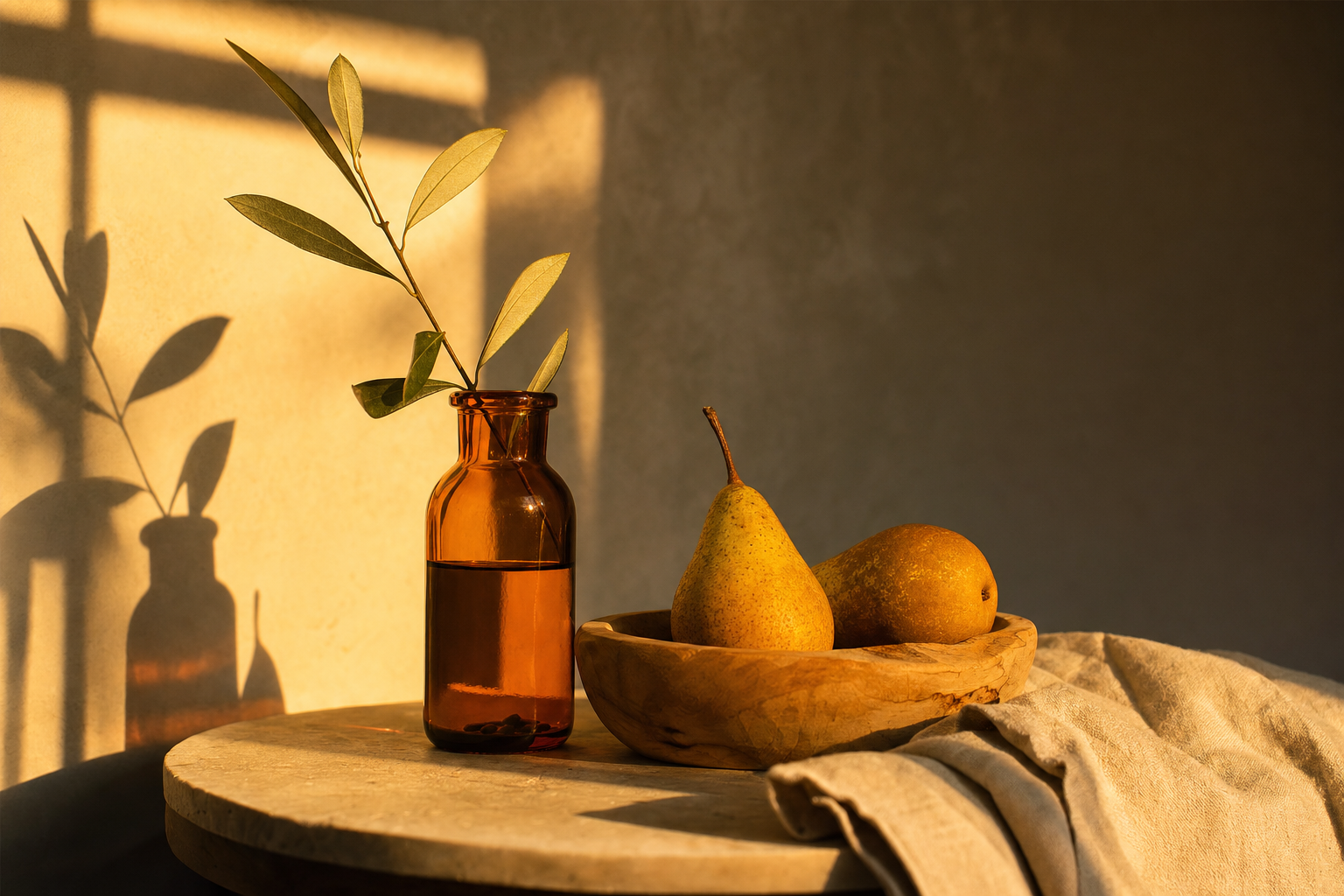
Golden hour photography captures images during the brief period when the sun sits low on the horizon, producing warm, diffused light that transforms ordinary scenes into compelling visual content. This natural lighting phenomenon occurs twice daily, just after sunrise and before sunset, creating soft shadows and rich color temperatures that elevate portraits, products, and commercial photography without expensive studio setups.
Understanding when golden hour occurs, how to plan around Toronto’s seasonal variations, and which techniques maximize this fleeting window helps photographers and brands create authentic, eye-catching content. The quality of light during these windows rivals professional studio equipment, but requires precise timing and weather awareness to execute successfully.
Quick Answer
Golden hour photography uses the warm, soft light that occurs during the first hour after sunrise and the last hour before sunset. This low-angle sunlight creates flattering shadows, rich colors, and natural diffusion that enhance portraits, products, and brand content without artificial lighting equipment.
What Is Golden Hour Photography?
Golden hour refers to the period when sunlight travels through more atmosphere due to the sun’s low position near the horizon. This extended path scatters blue wavelengths while allowing red and orange tones to dominate, creating the characteristic warm glow photographers seek.
The technical advantage comes from reduced light intensity and increased diffusion. Direct midday sunlight measures around 5500-6000K color temperature and creates harsh shadows. Golden hour light drops to 3500-4000K, producing warmer tones and softer contrast ratios that flatter skin tones and reduce the need for fill lighting or reflectors.
Commercial applications extend beyond artistic preference. Brands working with social media content creation recognize that golden hour images generate higher engagement rates compared to flat, studio-lit alternatives. The warm, natural aesthetic aligns with current content trends favoring authenticity over polished perfection.
Key Takeaways
- Plan shoots 60 minutes before sunset or after sunrise year-round
- Toronto’s golden hour timing shifts 3+ hours between summer and winter
- Use aperture priority mode and +0.7 to +1.0 exposure compensation
- Lake Ontario humidity extends golden hour duration by 10-15 minutes
- Commercial shoots blend natural light with minimal fill for consistency
When Does Golden Hour Occur in Toronto?
Golden hour timing depends on geographic location, date, and atmospheric conditions. Toronto’s position at 43.65 degrees north latitude creates substantial seasonal variation. Summer golden hour occurs from approximately 7:45-8:45 PM in the evening and 5:00-6:00 AM in the morning. Winter shifts these windows to 4:15-4:45 PM evening and 7:30-8:00 AM morning.
Lake Ontario’s proximity affects local conditions in measurable ways. Humidity from the lake adds atmospheric particles that extend golden hour by diffusing light longer as the sun drops toward the horizon. This typically adds 10-15 minutes to the usable shooting window compared to inland locations at similar latitudes.
| Season | Evening Golden Hour | Morning Golden Hour | Duration |
|---|---|---|---|
| Summer (June-Aug) | 7:45-8:45 PM | 5:00-6:00 AM | 50-60 minutes |
| Fall (Sep-Nov) | 6:00-7:00 PM | 6:30-7:30 AM | 40-50 minutes |
| Winter (Dec-Feb) | 4:15-4:45 PM | 7:30-8:00 AM | 20-30 minutes |
| Spring (Mar-May) | 6:30-7:30 PM | 6:00-7:00 AM | 40-50 minutes |
Why Golden Hour Light Creates Stunning Photographs
The aesthetic advantage stems from three technical factors: color temperature, light direction, and diffusion quality. Warm color temperature triggers psychological responses associated with comfort and authenticity. The 3500-4000K range during golden hour mimics firelight and candlelight, tones humans evolved to find appealing.
Low-angle light creates dimensionality through side and back lighting. Shadows become longer and softer, adding depth without harsh edges. Rim lighting occurs naturally as the sun grazes subjects from behind or to the side, creating separation from backgrounds without additional equipment.
Golden Hour Photography Techniques
Start with aperture priority mode to maintain depth of field control while the camera adjusts shutter speed for changing light levels. Apply positive exposure compensation between +0.7 and +1.0 stops. Camera meters read golden hour’s warm tones as brighter than they appear to human eyes, resulting in underexposed images if left on zero compensation.
Set white balance to daylight (5500K) to preserve warm tones. Auto white balance often neutralizes golden hour’s warm cast, defeating the purpose of shooting during this period. Position subjects with the sun behind them at 45-90 degrees to create natural rim lighting. Face the subject toward open sky or use a reflector to bounce fill light into shadowed facial features.
How to Plan a Golden Hour Photoshoot in Toronto
Use sun position calculator apps like PhotoPills or The Photographer’s Ephemeris to preview exact sun angles at your chosen location and date. These tools map sun trajectories onto geographic coordinates, showing where light will fall at specific times.
Scout locations at the same time of day you plan to shoot, ideally one week before the actual session. Build 30-minute buffers before and after the optimal window. Equipment setup, subject positioning, and creative adjustments consume time quickly. Starting 30 minutes early allows technical preparation before peak light arrives.
Weather monitoring becomes critical as the shoot date approaches. Check detailed hourly predictions starting 72 hours out, focusing on cloud cover percentage and type. High, thin clouds often enhance golden hour by adding color variation. Low, thick overcast eliminates directional light entirely, requiring backup plans.
We maintain a database of tested GTA golden hour locations sorted by sun direction and season. When a restaurant books content creation, we match their exterior aesthetic to locations with optimal background orientations, eliminating guesswork and failed shoots from poor sun angles.
Golden Hour for Commercial and Brand Photography
Commercial applications of golden hour photography extend beyond artistic preference to strategic content decisions. Brands increasingly recognize that natural light aesthetics drive higher engagement and convey authenticity that studio-lit alternatives often lack.
Restaurant photography particularly benefits from golden hour timing. Outdoor dining spaces, patio shots, and exterior ambiance images require natural light to feel genuine. The warm tones complement food photography by enhancing appetizing colors in dishes while creating inviting atmosphere shots that encourage reservations and foot traffic.
Product photography during golden hour positions items in lifestyle contexts rather than sterile studio environments. This approach works especially well for outdoor gear, fashion, beverages, and any product whose use case involves natural settings. The technique builds aspirational associations by showing products in beautiful, real-world conditions rather than isolated on white backgrounds.
Roopol Studio structures comprehensive content creation packages that combine golden hour sessions for key hero images with controlled studio work for product catalogs and detail shots. This hybrid approach delivers the authentic, warm aesthetic clients want for social content while maintaining production efficiency for larger deliverable counts.
Golden Hour vs Studio Lighting: Cost-Benefit Analysis
The cost comparison between golden hour and studio lighting extends beyond equipment rental to include production time, weather contingencies, and content versatility. Golden hour requires minimal gear investment but faces weather dependency and seasonal timing constraints that affect crew scheduling and location access fees.
Studio setups require upfront equipment costs ranging from $2,000-$15,000 for professional lighting kits, backdrops, and modifiers. However, studios offer weather independence, consistent results across shoot dates, and ability to produce higher shot counts per hour. Controlled environments also simplify product photography requiring precise color accuracy and repeatable lighting setups.
Technical lighting differences affect final image quality measurably. Golden hour produces soft, directional light with natural color gradients and organic shadows that appear authentic across social media platforms. Studio lighting creates controlled, repeatable results with precise color temperature matching (typically 5500K daylight-balanced strobes), essential for product catalogs requiring consistency across hundreds of SKUs. Studio strobes deliver 500-1000 watt-seconds of power, enabling faster shutter speeds and smaller apertures that golden hour cannot match without significant ISO compromises.
For most Toronto brands, the optimal approach combines both methods. Golden hour delivers 15-30 distinctive hero images ideal for social media headers, website banners, and campaign launches. Studio sessions produce 50-200 product shots, detail images, and catalog content requiring consistency. Brands prioritizing authentic lifestyle content and social engagement favor golden hour sessions. Companies needing volume output, tight color matching, or winter production schedules choose studio reliability despite higher equipment costs.
Ready to book a free consultation?
Sina and the Roopol Studio creative team help Toronto and GTA brands and restaurants create visual content that converts.
Camera Settings for Golden Hour Photography
Optimal camera settings during golden hour differ from standard daytime configurations. Light levels drop continuously throughout the shooting window, requiring ongoing adjustments to maintain proper exposure and image quality.
ISO settings should start low (100-400) at the beginning of golden hour, then increase gradually as light fades. Modern cameras handle ISO 800-1600 with minimal noise, making higher sensitivity acceptable to maintain shutter speeds fast enough to freeze subject movement. Shutter speed requirements depend on focal length and subject movement. Apply the reciprocal rule as a baseline: use shutter speeds at least 1/focal length.
Aperture selection balances depth of field needs against light gathering capability. Portraits often use f/1.8-f/2.8 for subject isolation and maximum light capture. Landscape work typically requires f/8-f/11 for front-to-back sharpness. Shoot in RAW format rather than JPEG to maximize post-production flexibility with color temperature changes and high dynamic range.
Frequently Asked Questions
What is golden hour photography?
Golden hour photography captures images during the first hour after sunrise and last hour before sunset when sunlight passes through more atmosphere, creating warm color temperatures around 3500-4000K and soft, directional lighting. This natural phenomenon produces flattering shadows and rich tones that enhance portraits, products, and commercial content without requiring artificial lighting equipment.
When does golden hour occur in Toronto?
Toronto’s golden hour timing varies dramatically by season. Summer golden hour runs approximately 7:45-8:45 PM evening and 5:00-6:00 AM morning. Winter shifts these windows to 4:15-4:45 PM evening and 7:30-8:00 AM morning. Spring and fall offer moderate timing around 6:30-7:30 PM evening and 6:00-7:00 AM morning. Lake Ontario’s humidity typically extends these windows by 10-15 minutes compared to inland locations.
What camera settings work best for golden hour photography?
Use aperture priority mode with +0.7 to +1.0 exposure compensation to prevent underexposure. Start with ISO 100-400 and increase to 800-1600 as light fades. Set white balance to daylight (5500K) to preserve warm tones rather than auto white balance which neutralizes them. Shoot RAW format for maximum post-production flexibility. For portraits use f/1.8-f/2.8, landscapes f/8-f/11, and maintain shutter speeds following the reciprocal rule minimum for your focal length.
How do I plan a golden hour photoshoot?
Use sun position calculator apps like PhotoPills to preview exact sun angles at your location and date. Scout the location at the same time of day one week before shooting to identify obstacles and optimal positions. Arrive 30 minutes before peak golden hour for setup and stay 30 minutes after for blue hour opportunities. Monitor detailed hourly weather forecasts starting 72 hours out, focusing on cloud cover type and percentage which dramatically affect light quality and duration.
What is the difference between golden hour and blue hour?
Golden hour occurs when the sun sits between 6 degrees above and 4 degrees below the horizon, creating warm 3500-4000K color temperatures that last 20-60 minutes depending on season. Blue hour immediately follows golden hour when the sun drops 4-8 degrees below the horizon, producing deep blue indirect light around 8000-12000K lasting 15-30 minutes. Magic hour refers to the brief 10-15 minute overlap period combining warm ground-level light with cooler sky tones for high contrast and dramatic color gradients.
Can golden hour photography work for commercial brand content?
Golden hour photography serves commercial content effectively when balanced with practical constraints. The warm, natural aesthetic drives higher social media engagement and conveys authenticity that resonates with current consumer preferences. However, the brief shooting window limits deliverable counts per session, making golden hour ideal for key hero images while studio work handles larger volume needs. Successful commercial strategies combine both approaches based on specific content distribution requirements and brand positioning.
Golden hour photography delivers distinctive visual quality that elevates brand content, social media posts, and commercial imagery through natural light that rivals expensive studio setups. The technique requires understanding seasonal timing variations, weather impacts specific to Toronto and the GTA, and technical execution that maximizes the brief optimal window. Successful implementation balances aesthetic benefits against practical production constraints.
Roopol Studio helps Toronto and GTA brands integrate golden hour photography into broader content strategies that combine natural light’s authentic aesthetic with studio efficiency for comprehensive deliverables. Whether you need restaurant ambiance shots, product lifestyle imagery, or social content that stands out in crowded feeds, book a free consultation to discuss how natural light techniques fit your content goals and production timeline.