

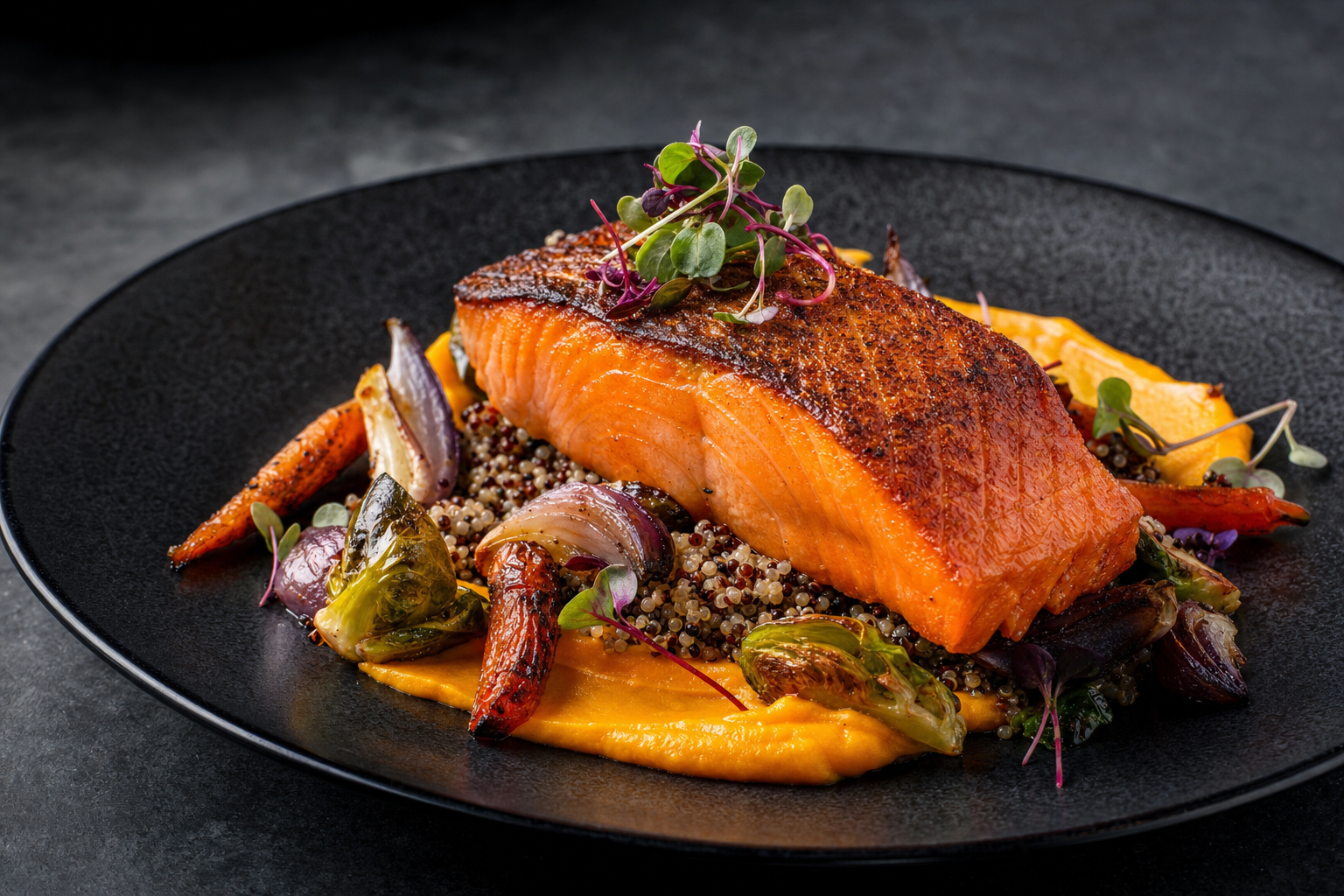
Food photography is the art and commercial practice of creating compelling images of food, beverages, and culinary experiences that drive customer engagement, build brand identity, and increase sales. But it’s far more than just snapping pictures of plates. It’s visual storytelling that bridges the gap between a restaurant’s kitchen and a customer’s decision to order, visit, or share.
In 2026, food photography has become the frontline marketing tool for restaurants, food brands, and hospitality businesses across Toronto and beyond. With platforms like Instagram, TikTok, and Google Business driving discovery, the quality of your visual content directly impacts your bottom line. A single well-executed image can outperform thousands of dollars in traditional advertising.
This guide breaks down what food photography truly involves, why it matters for your business, and how professional studios approach the craft to create images that don’t just look good but actually convert browsers into customers.
The Purpose Behind Food Photography
Food photography serves a clear business function: it translates taste, aroma, and experience into a visual format that influences buying decisions. When someone scrolls through their feed or searches for a restaurant in the GTA, your images are often the first and only impression you get to make.
The purpose varies by platform and business goal. Social media content needs to stop the scroll and encourage shares. Menu photography must help customers make confident ordering decisions. Website hero images need to communicate brand positioning in seconds. Product photography for packaged foods has to work on tiny mobile screens and large retail displays.
Sina at Roopol Studio approaches each project by first understanding the business objective behind the images. A high-end steakhouse needs dramatically different visuals than a fast-casual poke bowl concept, even if both serve great food. The photography strategy shifts based on whether you’re trying to build anticipation for a seasonal menu, showcase a signature dish, or create an entire library of content for a multi-channel campaign.
The most effective food photography does three things simultaneously: it makes the food look irresistibly appealing, it reinforces your brand’s unique personality, and it fits seamlessly into the specific context where customers will see it.
Core Elements of Professional Food Photography
Professional food photography combines technical skill with creative vision across several key disciplines. Lighting is the foundation. Natural light creates soft, approachable images perfect for brunch menus and baked goods. Artificial lighting allows precise control over highlights, shadows, and mood, essential for dramatic evening concepts or product photography that needs consistency across hundreds of SKUs.
Composition determines how the eye moves through the frame. Leading lines draw attention to the hero element. Negative space gives the image room to breathe and makes text overlay possible for social media content creation. Layering adds depth, whether that’s a hand reaching for a fork, steam rising from a bowl, or background elements that hint at story without distracting.
Styling transforms ingredients into a cohesive visual narrative. This includes food styling (the arrangement and treatment of the dish itself), prop styling (selecting plates, linens, and background elements), and surface selection (wood, marble, concrete, each telling a different story about your brand).
Color theory plays a bigger role than most restaurant owners realize. Complementary colors make dishes pop. Analogous color schemes create harmony. Sina uses color-balanced lighting at Roopol Studio to ensure that the vibrant red of a tomato or the golden crust of a croissant appears true to life, not the sickly yellow cast that overhead restaurant lighting often creates in phone photos.
Post-production isn’t about making food look fake. It’s about ensuring the image matches what the dish looks like at its absolute best, the moment it leaves the kitchen. This includes color correction, exposure balancing, and selective sharpening that makes textures sing without crossing into unrealistic territory.
Equipment and Technical Setup
Professional food photography requires specific tools, though the gear matters less than knowing how to use it. The camera body needs strong low-light performance and high resolution for both print menus and digital cropping. Full-frame sensors provide better depth of field control, crucial for that creamy background blur that makes the subject pop.
Lenses matter more than the camera body. A 50mm or 60mm macro lens is the workhorse for most food photography, offering true-to-eye perspective and close focusing. A 90-100mm macro creates beautiful compression for hero shots. Wide-angle lenses work for environmental restaurant photography but can distort dishes if used too close.
Lighting equipment ranges from simple to complex. A single speedlight with a softbox can produce excellent results in experienced hands. Studio strobes offer more power and faster recycling for high-volume shoots. Continuous LED panels are perfect for video production and hybrid photo-video content packages.
Support equipment includes sturdy tripods for consistent framing, reflectors and diffusers to shape light, and tethering cables that allow real-time image review on a laptop. This last tool is essential for collaborative shoots where the chef, owner, or marketing team needs to approve images on set.
At Roopol Studio, equipment choices are driven by the specific deliverable. A content package combining photo and video requires different lighting than a pure photography session. Location shoots at Toronto restaurants need portable gear that doesn’t disrupt service. Product photography for packaged goods needs perfect consistency across dozens of shots.
Styling Techniques That Make Food Irresistible
Food styling is where culinary art meets visual strategy. The goal isn’t to make food look perfect in a sterile way. It’s to make it look perfect in a way that feels natural, approachable, and crave-worthy.
Freshness is everything. Produce gets misted with water to look just-washed. Herbs are selected stem by stem for vibrant color. Hot dishes are often slightly undercooked because they continue to cook under hot lights, and nothing kills appetite appeal faster than overcooked, dried-out food.
Height and dimension create visual interest. A burger is more appealing when you can see the layers. A salad looks better with ingredients visibly tossed and tumbling rather than flat and compressed. Beverages need the right amount of condensation, ice that hasn’t melted, and garnishes that look intentional, not haphazard.
Garnish placement follows the rule of intentional imperfection. A perfectly centered microgreen looks staged. That same green placed slightly off-center, with a natural fall pattern, looks like it just landed there. The human eye craves this kind of organic authenticity.
Props and surfaces should support, never compete. A rustic wood board works for comfort food. Minimalist white porcelain suits modern fine dining. Slate and dark surfaces create drama for steakhouses and cocktail photography. When shooting for Toronto restaurants, Sina often incorporates elements that reflect the neighborhood character or cultural influences behind the cuisine.
Action elements bring static images to life. A drizzle of sauce, a pour of wine, a sprinkle of finishing salt, steam rising from a fresh plate. These moments add energy and give social media content that kinetic quality that stops thumbs mid-scroll.
The Business Impact of Quality Food Photography
Quality food photography directly impacts revenue in measurable ways. Restaurants with professional images see higher online order values because customers can confidently choose dishes they’ve seen in appealing photos. Google Business listings with quality images get significantly more clicks and direction requests than those with amateur or missing photos.
Social media performance transforms with professional content. Posts featuring well-executed photography generate higher engagement rates, more saves (a key algorithm signal), and increased profile visits. User-generated content has its place, but it’s the professional anchor content that defines your brand aesthetic and sets the standard.
Menu engineering becomes more effective with strong visuals. You can strategically highlight high-margin items through dedicated photography. Seasonal specials feel more premium when they get their own photo shoot rather than relying on stock images or phone snapshots.
Brand partnerships and wholesale opportunities often hinge on visual presentation. Buyers for retail chains, hotel groups, and catering contracts expect to see professional product photography. Your images need to work across pitch decks, sell sheets, and marketing materials.
Content libraries reduce long-term marketing costs. A comprehensive shoot creates assets you’ll use for months across multiple platforms. Instead of scrambling for content every week, you have a strategic library organized by dish type, season, mood, and format. Roopol Studio structures content packages specifically for this approach, delivering organized libraries with usage guidelines so restaurant teams know exactly which images to use where.
Different Styles for Different Platforms
Food photography isn’t one-size-fits-all. Each platform and use case demands a different approach to maximize impact and engagement.
Instagram feed posts benefit from bold, high-contrast images with strong center composition. These need to work as small thumbnails in a grid while still being gorgeous at full size. Vertical or square formats work best. Stories and Reels require tighter framing, often with text-safe zones at top and bottom.
Website hero images need horizontal orientation and strategic negative space where headlines and CTAs can overlay without obscuring the food. These images establish immediate brand positioning, so they need to balance appetite appeal with sophistication.
Menu photography requires clarity above all. Customers need to understand exactly what they’re ordering. This means well-lit, straight-on or three-quarter angles that show components clearly. Close-ups work for hero items. Pulled-back shots work better for complex bowls or sharing platters.
Google Business and delivery app photos need to work at tiny sizes on mobile screens. Bold, simple compositions win here. A single perfect burger performs better than a busy overhead spread where nothing reads clearly.
Print materials like magazines, posters, and direct mail need higher resolution and often work better with more artistic, editorial styling. These images have a longer shelf life and more viewing time, so they can reward closer inspection.
Video content and hybrid deliverables are increasingly important. Sina’s approach at Roopol Studio often includes capturing both video production and stills in the same session, maximizing the value of styled setups and ensuring visual consistency across all content formats delivered to GTA restaurant clients.
Working With a Professional Food Photography Studio
Hiring a professional studio versus attempting DIY food photography is an investment decision that comes down to consistency, efficiency, and results. Professional studios bring technical expertise that avoids common pitfalls like poor white balance, unappetizing shadows, or compositions that look amateur even with good lighting.
The process typically begins with a creative consultation where you discuss brand goals, target audience, platform requirements, and specific dishes or products to feature. This planning phase determines shot lists, styling direction, and whether the shoot happens on location at your Toronto restaurant or in a controlled studio environment.
Pre-production includes prop sourcing, color palette development, and technical planning around lighting and equipment needs. Professional studios maintain prop libraries but often shop specifically for each project to ensure surfaces, dishes, and accent pieces match your brand aesthetic.
Shoot day efficiency matters, especially for restaurants that can’t afford long service disruptions. Experienced photographers and content strategists like Sina work systematically through shot lists, often capturing multiple angles and variations of each dish to provide options in post-production.
Post-production workflow includes culling (selecting the best shots), editing (color correction, exposure balancing, and enhancement), and delivery in multiple formats optimized for different uses. Professional studios deliver organized libraries with clear file naming, not a random dump of images.
Ongoing content relationships often make more sense than one-off projects. Seasonal menu updates, monthly social media content creation, and product launch campaigns benefit from working with a studio that understands your brand deeply and can maintain visual consistency over time. This approach is common with Roopol Studio’s Toronto and GTA restaurant clients who need reliable, high-quality content without the overhead of an in-house team.
Common Mistakes to Avoid
Even well-intentioned food photography efforts fall flat when certain mistakes creep in. Understanding these pitfalls helps you evaluate whether your current content is working or needs professional intervention.
Poor lighting is the number one killer of food photography. Overhead restaurant lighting creates harsh shadows and sickly color casts. Direct flash washes out texture and creates unnatural highlights. Window light can be beautiful but changes dramatically throughout the day, making consistency impossible.
Wrong angles make food unrecognizable or unappetizing. Extreme overhead shots (flat lays) work for certain styled spreads but make most plated dishes look flat and boring. Shooting too low hides components and creates awkward perspectives.
Over-styling crosses into uncanny valley territory where food looks artificial. Too much gloss, overly perfect placement, or obviously fake garnishes trigger skepticism rather than appetite.
Inconsistent branding confuses your audience. When your feed jumps between different photography styles, color treatments, and quality levels, it signals disorganization. Professional studios maintain style guides and presets to ensure every image feels part of a cohesive brand story.
Ignoring platform specs means your images don’t display properly. Horizontal images get cropped awkwardly in Instagram feeds. Images without text-safe zones force you to cover the best parts of your food with overlay text. Low resolution looks pixelated on high-DPI mobile screens.
Shooting cold or reheated food never works. The texture, color, and appeal change dramatically. Professional shoots time everything precisely so food is photographed at the exact moment it looks its absolute best.
Frequently Asked Questions
How much should I budget for professional food photography?
Professional food photography typically ranges from $150 to $500 per finalized image depending on complexity, usage rights, and whether the shoot is in-studio or on location. Many Toronto studios, including Roopol Studio, offer content packages that reduce per-image costs by shooting multiple dishes or creating hybrid photo and video content in a single session. A typical restaurant menu refresh might range from $2,000 to $5,000 for comprehensive coverage, while ongoing monthly content creation often works on retainer models.
Can I use smartphone photography instead of hiring a professional?
Smartphones can capture acceptable behind-the-scenes or story content, but they struggle with the lighting control, lens quality, and styling expertise that professional food photography requires for primary marketing materials. The difference shows most clearly in challenging lighting conditions, color accuracy, and the ability to create consistent, on-brand content at scale. Most successful restaurants use a hybrid approach: professional photography for core menu items and marketing campaigns, supplemented by authentic smartphone content for real-time social engagement.
How long does a food photography session take?
A typical food photography session runs 3-5 hours for 8-12 finalized dishes, including setup and breakdown. Simple products or dishes with minimal styling might take 15-20 minutes each, while complex compositions with action elements or multiple variations can take 45 minutes or more. Efficiency improves dramatically with proper planning, organized shot lists, and a photographer experienced in food work who understands pacing and kitchen coordination.
What’s the difference between food photography and food videography?
Food photography creates static images optimized for menus, websites, and social feeds, while food videography captures motion, process, and narrative over time. Video excels at showing preparation, creating appetite through action (pours, cuts, steaming), and telling brand stories. Many businesses now invest in hybrid content packages that capture both during the same styled setup, maximizing value and ensuring visual consistency across photo and video deliverables.
How often should restaurants update their food photography?
Core menu items typically need refreshing every 18-24 months to keep content feeling current and accounting for gradual menu evolution. Seasonal specials require photography 3-4 times per year as offerings change. Active social media presence demands fresh content at least monthly, which is why many GTA restaurants work with studios on ongoing content creation retainers rather than occasional one-off shoots. The frequency ultimately depends on how quickly your menu changes and how aggressively you’re marketing across digital channels.
Transform Your Visual Content Strategy
Food photography is no longer optional for restaurants and food brands competing in Toronto’s saturated market. It’s the primary tool for communication, differentiation, and conversion. The studios and professionals who excel in this field understand that great food photography balances artistic vision with commercial pragmatism, creating images that are both beautiful and effective at driving business results. Sina and the team at Roopol Studio bring this combined expertise to every project, whether it’s a comprehensive menu refresh or an ongoing content partnership.
Ready to elevate your food photography and create content that actually converts? Book a free consultation to discuss your visual content needs and explore how professional photography can transform your brand’s presence across every platform that matters.