

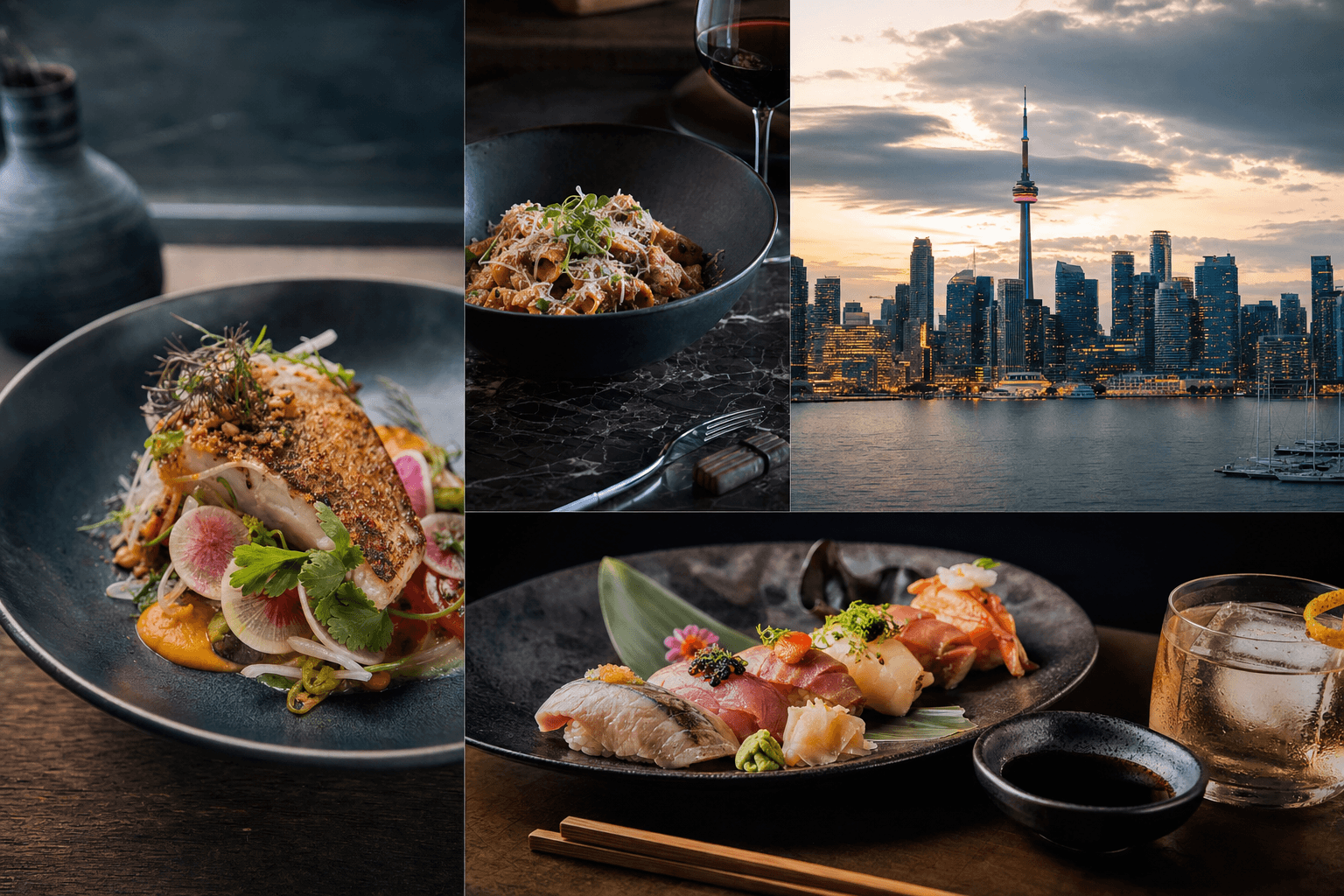
Best Content Ideas for Toronto Restaurants in 2026
Toronto restaurant owners face a unique challenge: standing out in one of North America’s most competitive and diverse food scenes while keeping up with constantly shifting social media algorithms. The best content ideas for Toronto restaurants combine stunning food photography, authentic behind-the-scenes storytelling, and hyperlocal angles that showcase what makes your establishment distinctly Toronto. This guide covers actionable restaurant social media content Toronto strategies, from signature dish photography to TikTok video content ideas that actually convert followers into customers.
You’ll learn which content types work best for each platform, how to repurpose one professional shoot into 30+ content pieces, when to invest in professional versus DIY content, and workflow strategies for busy restaurant owners with limited resources.
Quick Answer
The best content for Toronto restaurants combines high-quality food photography showcasing signature dishes, behind-the-scenes team and kitchen content, seasonal promotions tied to Toronto events, platform-specific video for Instagram Reels and TikTok, and neighborhood storytelling that highlights local ingredients and community connections.
Why Content Marketing Matters for Toronto Restaurants in 2026
Social media isn’t optional anymore. It’s your storefront, your menu preview, and your word-of-mouth amplifier all rolled into one.
Toronto diners research restaurants online before they book. They scroll Instagram to see what dishes look like. They watch TikToks to get a feel for the vibe. They check Facebook for hours and special events. If your content doesn’t show up in those spaces, or worse, if it shows up looking flat and uninspired, you’ve lost the customer before they ever walked past your door.
The Toronto restaurant scene is incredibly dense. Within a single neighborhood, you might compete with a dozen other spots offering similar cuisine. Content is how you differentiate. A perfectly lit shot of your signature pasta doesn’t just make people hungry. It communicates quality, attention to detail, and pride in what you serve.
Restaurant Instagram content strategies have evolved beyond static menu shots. Video content now drives the majority of engagement on every platform. Instagram Reels, TikTok, and even Facebook prioritize video in their algorithms. Restaurants that invest in professional video production see measurably higher reach and conversion than those posting only photos.
Key Takeaways
- Invest in professional food photography for menu hero shots and signature dishes
- Create behind-the-scenes video content showing kitchen prep and team culture
- Leverage Toronto-specific seasonal angles and neighborhood storytelling for local relevance
- Repurpose one professional shoot into 30+ pieces across Instagram, TikTok, and Facebook
- Balance DIY smartphone content for daily updates with professional content for conversions
Food Photography and Dish Showcase Content Ideas
Food photography is still the foundation of restaurant content. It’s the first impression, the visual menu, and the reason someone decides to visit.
But not all food photography performs equally. Flat overhead shots taken under fluorescent kitchen lights get scrolled past. Dishes photographed with depth, texture, and thoughtful lighting stop the scroll.
Signature Dishes and Menu Hero Shots
Every restaurant has three to five dishes that define its identity. These are your hero shots. They deserve professional treatment.
Hero shots need to show texture. The char on a steak. The steam rising from ramen. The way sauce pools around gnocchi. These details make viewers feel like they can taste the dish through the screen.
At Roopol Studio, Sina uses a combination of diffused natural light and color-balanced fill lighting to make textures pop in food photography. The difference between a dish that looks flat and one that makes you reach for your phone to order often comes down to how shadows and highlights define edges and surfaces.
Shoot your signature dishes from multiple angles during one session. Straight-on shots work well for burgers and sandwiches. Forty-five-degree angles showcase plating and layers. Overhead works for boards, pizzas, and dishes with interesting circular compositions. Include context in some shots like a hand reaching for a fork or a glass of wine in the background.
Signature Cocktails and Beverage Content
Drinks photograph beautifully when lit correctly. Cocktails with layered colors, garnishes, and glassware create striking visuals. Backlit beverages look especially dramatic. Light coming through amber whiskey or a pink grapefruit cocktail creates glow and depth that flat front lighting can’t match.
Capture the pour. Action shots of bartenders pouring drinks, shaking cocktails, or torching garnishes add movement and energy. These work exceptionally well as Instagram Reels or TikTok content. Don’t forget coffee and non-alcoholic drinks. Latte art, specialty teas, and house-made sodas all deserve showcase treatment, especially for brunch-focused restaurants.
Professional food and restaurant photography services ensure consistency across your menu visuals, creating a cohesive brand aesthetic that builds recognition over time.
When photographing dark dishes like chocolate desserts or charred proteins, we always add a small fill light to bring out texture in the shadows. Without it, these dishes photograph as black voids that lose all appetite appeal on screen.
Behind-the-Scenes and Team Content That Builds Connection
People don’t just choose restaurants for food. They choose them for the people, the story, and the feeling of being welcomed into something authentic.
Behind-the-scenes content humanizes your brand. It shows who’s cooking, how much care goes into prep, and what your team culture feels like. This content builds trust and emotional connection that menu photography alone can’t achieve.
Kitchen and Prep Process Content
Show your work. Filming a chef breaking down a whole fish, rolling pasta by hand, or piping delicate desserts demonstrates skill and craftsmanship.
Time-lapse videos of prep work compress hours of labor into satisfying 15-second clips. Watching a line cook mise en place their station or a baker shaping dozens of croissants creates mesmerizing content that performs well on every platform.
Explain techniques. Short videos where a chef narrates what they’re doing and why add educational value. Toronto audiences especially appreciate content that teaches them something about cooking methods or ingredient selection.
Staff Introductions and Team Culture
Introduce your team members. Short interview-style videos where servers, bartenders, and kitchen staff share why they love working at your restaurant create personal connections.
Celebrate employee milestones. Work anniversaries, birthdays, and accomplishments show you value your team. This content also helps with recruitment because it demonstrates positive workplace culture. Show team camaraderie through clips of staff sharing a meal together or celebrating a successful service night.
Professional restaurant video production ensures behind-the-scenes content maintains quality standards while capturing authentic, unscripted moments.
Ready to book a free consultation?
Sina and the Roopol Studio creative team help Toronto and GTA brands and restaurants create visual content that converts.
Seasonal Promotions and Toronto-Specific Content Angles
Toronto experiences four distinct seasons, major cultural festivals, and neighborhood-specific food trends. Leveraging these angles makes your content feel timely and locally relevant.
Seasonal Menu Launches and Limited-Time Offers
Seasonal menu changes are natural content opportunities. Announce new spring dishes in March, summer patio specials in May, fall comfort food in September, and winter warming menus in November.
Create anticipation with teaser content. Show ingredients arriving, chefs testing recipes, or partial glimpses of new dishes before the official launch. Highlight seasonal ingredients like Ontario asparagus, Niagara peaches, local squash, and greenhouse tomatoes.
Limited-time offers create urgency. Weekend specials, holiday menus, and collaboration dinners give followers a reason to visit now rather than someday. Document Toronto food events you participate in like Winterlicious, Summerlicious, Taste of the Danforth, and neighborhood food festivals.
Toronto Neighborhoods and Local Ingredient Storytelling
Toronto is a city of neighborhoods, each with distinct identities. Content that acknowledges your specific neighborhood builds local loyalty.
Tag your location consistently. Whether you’re in Little Italy, Greektown, Koreatown, Parkdale, the Annex, or the Distillery District, your neighborhood matters to local customers searching for nearby dining options. Feature ingredients from local suppliers by mentioning specific Ontario farms, Toronto bakeries, or GTA distributors to add authenticity and support community connections.
Platform-Specific Content Strategies: Instagram, TikTok, and Facebook
Each platform has different audiences, formats, and algorithms. Content that crushes on TikTok might flop on Facebook. Smart restaurant marketing content adapts to each platform’s strengths.
Instagram Content Strategy
Instagram remains the dominant platform for Toronto restaurants. Feed posts should be highly polished, professional food photography that maintains consistent brand aesthetics. Use Instagram Stories for daily specials, quick behind-the-scenes clips, and time-sensitive promotions. Instagram Reels are your growth engine with short vertical videos showcasing dishes, prep techniques, or team personalities that can reach beyond your follower base.
Reels between 7-15 seconds perform best. Use trending audio when it fits your brand naturally. Hook viewers in the first second, show something visually satisfying, and end with a clear call to action like visiting your location or checking your menu.
TikTok Content Strategy
TikTok is more casual and personality-driven than Instagram. The platform rewards authenticity over polish. A chef explaining their favorite dish directly to camera often outperforms highly produced content.
Jump on food trends quickly. When a particular plating style, ingredient, or cooking technique goes viral, create your version within days while the trend is hot. TikTok’s algorithm favors timeliness. Use TikTok to show personality through humor, relatability, and slightly chaotic energy. A server joking about difficult customers, a chef’s exasperated reaction to a complicated order, or team banter during a rush all create entertaining content.
Focus on educational content that teaches something useful. Recipe shortcuts, ingredient substitutions, cooking hacks, and menu explanations perform exceptionally well. TikTok users value learning as much as entertainment.
Facebook Content Strategy
Facebook remains relevant, especially for older demographics and event promotion. Facebook works well for longer-form content, event announcements, detailed menu explanations, and community engagement.
Post event details with complete information. Facebook Events help customers RSVP to special dinners, holiday celebrations, and live music nights. The built-in reminder system keeps your restaurant top of mind. Facebook groups in Toronto neighborhoods are goldmines for local discovery. Respectfully participating in groups like Leslieville Locals or High Park Community by answering questions and sharing relevant updates builds neighborhood presence.
Roopol Studio creates comprehensive content packages during single shoots, then formats them specifically for Instagram, TikTok, and Facebook to maximize each platform’s performance.
How to Repurpose One Professional Shoot Into 30+ Content Pieces
Professional shoots feel expensive until you calculate cost per post. One well-planned shoot can generate a month of content across all platforms.
A four-hour shoot might capture 15 hero dish photos, 20 detail shots, 30 video clips, and 10 behind-the-scenes moments. From those assets, you can create 15 Instagram feed posts, 30 Instagram Stories, 10 Instagram Reels, 10 TikTok videos, and 5 Facebook posts. That’s over 70 pieces of content from one session.
The key is shooting with repurposing in mind. Capture both horizontal and vertical footage. Get wide shots and tight details. Film both narrated and silent clips. Shoot enough angles that you can create entirely different posts from the same subject.
Strategic Planning Before the Shoot
Create a content calendar before the shoot. Know exactly what you’ll post when, and shoot specifically for those planned posts. This prevents having 200 random photos with no clear posting strategy.
List your content needs by platform. Instagram needs square and vertical images. TikTok needs vertical video. Facebook can use horizontal formats. Plan which dishes work best for which platforms based on visual appeal and target audience.
Schedule seasonal content in advance. If you’re shooting in October, capture Halloween specials, Thanksgiving content, and cozy fall atmosphere shots that you’ll use throughout the season.
Efficient Editing and Distribution
Edit content in batches rather than one post at a time. This workflow saves time and ensures visual consistency. Apply the same color grading, filters, and style across all photos from a single shoot to maintain cohesive brand aesthetics.
Create different crops from the same image. A single hero shot can become an Instagram square, a vertical Story, a Facebook banner, and a website header just by reframing the composition.
Turn photos into video. Add subtle motion to still images using tools like CapCut or Adobe Premiere. A slow zoom on a beautiful dish creates engaging video content without filming additional footage.
Professional social media content creation services handle not just shooting but also formatting, editing, and delivering assets optimized for each platform, removing the technical burden from restaurant teams.
Professional vs DIY Content: When to Invest in Each
Not every post needs professional production. Balancing professional and DIY content creates both polish and authenticity while managing budget.
When to Invest in Professional Content
Professional content makes sense for menu launches and signature dishes that need to convert browsers into customers, hero shots for websites and print menus, seasonal campaigns and major promotions, content you’ll use for months across multiple platforms, and brand-defining visuals that establish your quality standard.
Professional lighting, lenses, and editing create appetite appeal that smartphone cameras struggle to match. The difference shows in how textures render, how colors pop, and how compositions guide the viewer’s eye to the most delicious details.
When DIY Smartphone Content Works
DIY smartphone content works for daily specials and time-sensitive announcements, spontaneous behind-the-scenes moments, Instagram Stories showing sold-out dishes or real-time updates, staff takeovers and informal team content, and quick responses to trends that require same-day posting.
Smartphone content feels authentic and immediate. Customers appreciate the unfiltered glimpse into your daily operations. This content doesn’t need to be perfect. It needs to be real.
Maximizing Smartphone Content Quality
Modern iPhones and Android flagships can capture usable content if you follow basic principles. Shoot in good natural light near windows during daytime. Clean your lens before every shoot. Keep shots steady or use a small tripod. Never use digital zoom. Get close to your subject instead.
Use your phone’s portrait mode for dishes to create background blur that mimics professional depth of field. Turn on grid lines to help with composition. Shoot slightly more than you need so you have framing options when editing.
Finding the Right Balance
The best restaurant Instagram content strategies combine both. Professional content establishes credibility and appetite appeal. DIY content maintains presence and shows authenticity between professional shoots.
Budget-conscious restaurants should invest in one professional shoot per quarter to capture seasonal menu updates and hero content, then fill gaps with quality smartphone content. This hybrid approach maintains standards without breaking the bank.
Content Production Workflow for Busy Restaurant Owners
Restaurant owners juggle dozens of responsibilities. Content creation often falls to the bottom of the priority list. A streamlined workflow makes consistent content achievable even with limited time and resources.
Quarterly Professional Shoot Schedule
Schedule quarterly professional shoots aligned with seasonal menu changes. Book these months in advance so they’re locked in your calendar. During each shoot, capture enough variety to support 12 weeks of posts across all platforms.
Treat content shoots like menu planning sessions. They’re not optional marketing extras. They’re core business activities that directly impact revenue through increased visibility and customer acquisition.
Monthly Content Calendar Planning
Spend one hour at the start of each month planning what you’ll post and when. Use a simple spreadsheet or free tools like Trello to organize your calendar by platform and date.
Plan around key dates. Holidays, long weekends, local events, and seasonal milestones all create natural content opportunities. Schedule posts promoting Valentine’s Day menus in early February, patio season content in April, and holiday party bookings starting in October.
Delegating Content Tasks to Staff
Assign content responsibilities to existing staff. Your head chef can capture 30 seconds of prep work daily. Your bartender can film cocktail pours. Your manager can post Stories during service. Breaking tasks into five-minute increments makes them manageable.
Train one or two team members on basic smartphone content creation. Show them how to find good light, frame shots properly, and capture steady video. Empower them to post Stories throughout the day showing the restaurant’s energy.
Using Scheduling Tools Efficiently
Use scheduling tools to post automatically. Platforms like Later, Buffer, or Meta Business Suite let you load a week of content in one sitting and schedule posts to go live at optimal times without manual posting.
Schedule posts for when your audience is most active. For most Toronto restaurants, this means weekday lunch hours (11am-1pm), weekday dinner decision time (4pm-6pm), and weekend mornings (9am-11am) when people plan their day.
Monthly Performance Review
Review analytics monthly to see what’s working. Double down on content types that drive engagement and table reservations. Cut content that underperforms. This data-driven approach prevents wasting time on content that doesn’t move the needle.
Track beyond vanity metrics. Likes and follows matter less than website clicks, phone calls, reservation increases, and customers mentioning they saw your content. Connect social media activity to actual business outcomes.
User-Generated Content and Customer Engagement Strategies
The best restaurant marketing isn’t created by restaurants. It’s created by happy customers posting about their experiences.
User-generated content provides social proof, extends reach, and costs nothing. Every customer photo, check-in, and positive review amplifies your marketing.
Make your restaurant Instagram-worthy through visually distinctive dish presentations, beautiful interior design details, or a patio view worth photographing. Create a location-specific hashtag for your restaurant and encourage customers to use it, then feature the best customer photos in your Stories with permission and credit.
Run simple UGC contests. Post your favorite dish and tag us for a chance to win a gift card generates both content and engagement. Make sure rules comply with platform guidelines and applicable laws. Respond to every customer post you’re tagged in. A simple like and comment shows appreciation and encourages more tagging.
Partner with local micro-influencers thoughtfully. Toronto has thousands of food-focused accounts with 2,000-10,000 engaged followers. These smaller accounts often deliver better ROI than celebrity influencers because their audiences are local and genuinely trust their recommendations. Micro-influencer partnerships work best as experience-based rather than purely transactional.
Frequently Asked Questions
What types of social media content work best for Toronto restaurants?
High-quality food photography of signature dishes, short-form video content for Instagram Reels and TikTok showing cooking processes, behind-the-scenes team content, seasonal promotions tied to Toronto events, and neighborhood storytelling all perform exceptionally well. Video content currently drives the highest engagement across all platforms.
How often should restaurants post content on social media?
Aim for daily Instagram Stories, 3-5 Instagram feed posts per week, 3-5 Reels per week, 1-2 TikTok videos per day during growth phases, and 2-3 Facebook posts per week. Consistency matters more than frequency. Posting three times weekly on a reliable schedule outperforms sporadic daily bursts followed by weeks of silence.
What behind-the-scenes content do restaurant customers want to see?
Customers want to see kitchen prep processes like pasta being rolled by hand or fish being broken down, team introductions and staff culture moments, ingredient sourcing stories featuring local suppliers, cooking techniques explained by chefs, and authentic moments during service showing the energy and care behind their meals.
How can restaurants encourage customers to share user-generated content?
Create visually Instagram-worthy dishes and interior spaces, establish a location-specific hashtag and promote it on menus and table signage, run simple contests rewarding customers who post and tag your restaurant, respond to and share customer posts in your Stories with credit, and partner with local micro-influencers who genuinely enjoy your food.
What photography styles work best for restaurant food content?
Forty-five-degree angles that showcase plating and layers, straight-on shots for height-focused dishes like burgers, overhead compositions for boards and pizzas, detail shots highlighting texture and steam, backlit beverages creating glow through liquids, and contextual shots including hands or surrounding elements all perform well when paired with professional lighting that emphasizes texture.
Moving Forward With Your Restaurant Content Strategy
Toronto restaurants that consistently invest in quality content see measurable results: fuller reservations, stronger community connections, and customers who arrive already excited about specific dishes they’ve seen online. The content ideas outlined here work because they balance professional quality with authentic personality, showcase both finished dishes and the people behind them, and leverage Toronto’s unique neighborhoods and seasons.
Success comes from planning shoots strategically, repurposing assets efficiently, and maintaining consistent presence across platforms. Roopol Studio works with Toronto and GTA restaurants to create content that reflects the quality of their food and the personality of their teams, from initial concept through final delivery of platform-ready assets.
Ready to transform your restaurant’s visual presence? Book a free consultation with Sina and the Roopol Studio team to discuss how professional content creation can fill your tables and build the audience your restaurant deserves.