

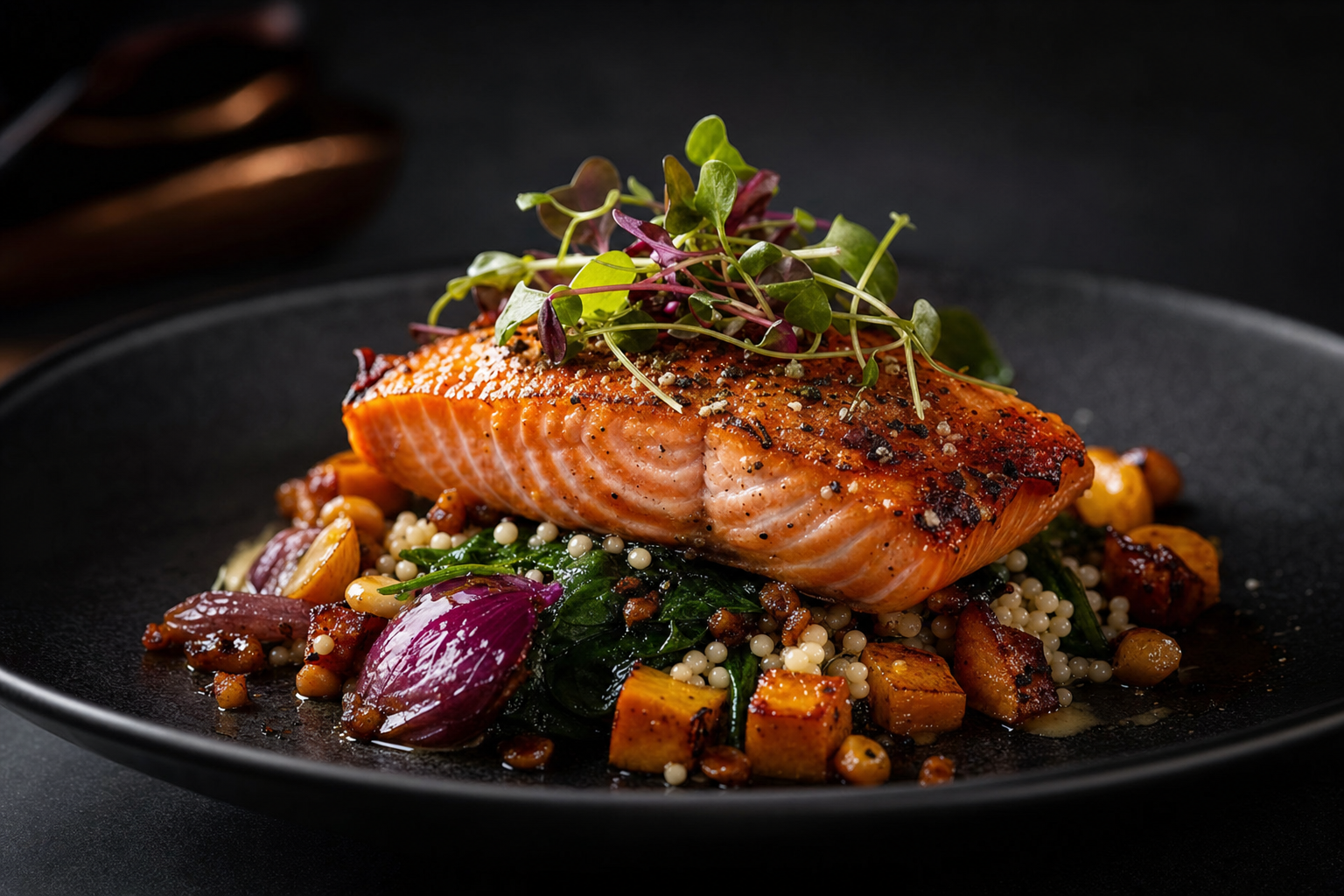
Most Toronto restaurant owners ask the wrong question when budgeting for visual content. They want to know what food photography costs per photo, when they should be asking what their content is worth to their business. A single stunning dish photo that drives orders on UberEats can generate thousands in revenue, while a gallery of mediocre smartphone shots might not convert anyone.
Food photography pricing Toronto varies wildly because not all photography delivers the same business value. A basic photoshoot might run $500, while a comprehensive content package with video, social edits, and brand storytelling can reach $3,000 or more. The difference isn’t just in the number of images, it’s in the strategy, execution, and shelf life of what you receive.
Understanding what you’re actually paying for transforms how you approach visual content. This guide breaks down real pricing structures in Toronto’s food photography market, what drives costs up or down, and how to budget for content that actually moves the needle for your restaurant or food brand.
What Food Photography Actually Costs in Toronto
Food photography pricing in Toronto typically falls into three tiers. Basic shoots from emerging photographers start around $400 to $800 for a half-day session with 10 to 15 edited images. Mid-tier professionals charge $1,200 to $2,500 for similar deliverables but bring years of experience, better equipment, and refined styling skills. Premium studios like Roopol Studio often structure pricing around content packages rather than hourly rates, focusing on deliverables that serve multiple platforms and marketing needs.
The per-photo pricing model misleads many restaurant owners. A photographer might charge $150 per final image, but that doesn’t account for setup time, styling, lighting adjustments, or the expertise required to make a bowl of pasta look irresistible on Instagram. Sina at Roopol Studio approaches pricing from a content strategy perspective, asking what channels you need to feed and how often you need fresh visuals before discussing rates.
Session length dramatically impacts total cost. A two-hour shoot might capture three to five hero dishes with simple styling. A full-day production can document 15 to 20 menu items with multiple angles, detail shots, and lifestyle compositions. Most Toronto restaurants find the sweet spot around four to six hours, allowing time for proper lighting setup and creative exploration without budget overreach.
Location affects pricing too. Shooting at your restaurant location often costs less than studio rental but introduces challenges like controlling natural light and managing kitchen noise during service hours. Studios across the GTA charge $200 to $500 per day for space rental, though many professional photographers include this in their package rates.
Breaking Down What You’re Actually Paying For
When you hire a food photographer in Toronto, the invoice reflects far more than shutter clicks. Pre-production planning typically consumes hours before the first photo. This includes menu consultation, mood board creation, shot list development, and prop sourcing. Experienced photographers know which dishes photograph well and which need creative problem-solving.
Equipment investment represents a hidden cost most clients never see. Professional camera bodies run $3,000 to $6,000, while lens collections for food work easily exceed $10,000. Lighting gear, modifiers, backdrops, and color calibration tools add thousands more. When you pay professional rates, you’re accessing tools that create images smartphone cameras simply cannot match.
Styling expertise separates amateur food photos from scroll-stopping content. Professional food stylists charge $500 to $1,500 per day in Toronto, and their contribution is massive. They know how to add steam, create sauce drips that look natural, and arrange garnishes that guide the viewer’s eye. Sina works with a network of Toronto stylists who understand both visual appeal and authentic food presentation, avoiding the over-styled look that can make dishes seem unapproachable.
Post-production time often equals or exceeds shoot time. Color correction, exposure blending, blemish removal, and final sharpening require skill and precision. Batch editing 20 photos to consistent quality standards might take six to eight hours. Rush delivery typically adds 20% to 50% to base pricing.
Content Packages vs. Hourly Rates: Which Makes Sense?
Most professional food photographers in Toronto have moved away from pure hourly billing toward content packages. An hourly rate feels transparent but often creates perverse incentives, rewarding slower work and penalizing efficiency. Package pricing aligns photographer and client goals around deliverables that serve specific business needs.
A typical Toronto content package for restaurants might include 15 edited food photos, 3 short-form videos for Instagram Reels, 10 story-ready vertical edits, and usage rights across all digital platforms for one year. This package often runs $2,000 to $3,500 depending on production complexity. The value becomes clear when you calculate the cost of creating this content piecemeal or in-house.
Roopol Studio structures content packages around monthly marketing needs rather than one-off shoots. A restaurant posting daily to Instagram needs 30 to 60 content pieces monthly. Quarterly shoots delivering 40 to 50 varied assets create consistent brand presence without the chaos of constant production. This approach typically costs less than hiring a full-time content creator while delivering higher visual quality.
Subscription models are emerging in the GTA market. Some photographers offer monthly retainers covering one shoot and ongoing content delivery. Rates range from $1,500 to $4,000 monthly depending on volume and exclusivity. This works well for restaurant groups managing multiple locations or brands launching new seasonal menus quarterly.
Usage rights significantly impact package pricing. Personal use and organic social media typically come standard. Paid advertising, billboard use, or licensing to third parties often require additional fees. Always clarify usage terms before signing contracts to avoid surprise costs when you want to run Instagram ads featuring your photos.
Hidden Costs That Inflate Your Final Bill
Travel fees catch many Toronto restaurant owners off guard. Photographers based downtown might charge $50 to $150 to shoot in Mississauga or Markham. This covers vehicle costs, transit time, and the opportunity cost of not shooting multiple city clients in one day. Some photographers waive travel fees for full-day bookings.
Prop and surface rental adds up quickly. That rustic wooden table and vintage silverware in your favorite food photos probably came from a prop house charging $200 to $500 per shoot day. Professional photographers often maintain prop collections, but specialty items for themed shoots require rental. Budget-conscious restaurants can reduce this cost by providing their own serving ware and surfaces that match their brand aesthetic.
Talent fees apply when your food photos include hands, people, or lifestyle elements. A hand model in Toronto charges $300 to $800 for a half-day shoot. Full lifestyle shoots with multiple models can add $1,500 to $3,000 to production costs. These shots perform exceptionally well on social platforms, so the investment often justifies itself through engagement rates.
Reshoots and revisions beyond the agreed scope trigger additional charges. Most Toronto photographers include one round of minor edits in their base pricing. Requesting significant changes to composition, styling, or color grading after shoot day typically costs $150 to $300 per hour. Clear communication during pre-production prevents most revision issues.
Rush delivery premiums range from 25% to 100% of base pricing depending on turnaround time requested. Standard delivery in Toronto runs two to three weeks for fully edited galleries. One-week delivery might add 25%, while 48-hour turnaround often doubles the editing fee. Plan content calendars in advance to avoid these unnecessary costs.
How Toronto Food Photography Pricing Compares to DIY Options
Many restaurant owners attempt in-house food photography to control costs. A decent smartphone produces acceptable images in perfect conditions, but consistency proves elusive. Staff photographers rarely master the lighting, styling, and editing skills professionals spend years developing. The opportunity cost of your chef or manager spending six hours on a photoshoot often exceeds hiring a professional.
Equipment rental offers a middle path but comes with hidden complexity. Renting a professional camera, lenses, and lighting gear in Toronto costs $300 to $600 daily. You still need the expertise to use it effectively. First-time users typically waste hours troubleshooting technical issues that professionals solve instantly through experience.
Stock photography seems budget-friendly until you need specific dishes or branded environments. Generic food photos cost $50 to $200 each from premium stock libraries, but they don’t showcase your actual menu or restaurant aesthetic. Customers increasingly recognize stock imagery and it erodes authenticity, especially for local restaurants competing on personality and unique offerings.
Freelance platforms connect restaurants with photographers at various price points. You might find someone willing to shoot for $300, but vetting quality, reliability, and professionalism becomes your responsibility. The risk of receiving unusable images or dealing with missed deadlines often costs more than the savings.
The total cost of ownership for DIY content includes equipment depreciation, software subscriptions, training time, and the dozens of mediocre photos you delete before getting one usable shot. When factored honestly, professional photography often costs the same or less while delivering dramatically better results.
What Drives Premium Food Photography Pricing in the GTA
Reputation and portfolio quality command premium rates across Toronto’s food photography market. Photographers whose work appears in major publications or viral brand campaigns charge 50% to 200% more than equally skilled peers with less visible portfolios. You’re paying for proven results and the confidence that comes from seeing similar work succeed.
Specialization increases value and pricing. A photographer who exclusively shoots food understands lighting for glossy sauces, styling for height and dimension, and editing for appetite appeal in ways generalists cannot match. Sina’s focus on food and product content for brands means every shoot benefits from techniques refined across hundreds of restaurant and product clients throughout the GTA.
Creative direction and strategy separate serviceable photography from content that drives business results. Anyone can light a burger. Strategic photographers understand how that burger photo fits into your Instagram grid, your UberEats listing, your website hero section, and your seasonal promotion. This integrated thinking justifies higher rates because it multiplies the value of each image.
Speed and reliability matter more than many restaurant owners initially realize. A photographer who delivers perfectly on deadline, communicates clearly, and handles unexpected challenges smoothly is worth premium pricing. The cheapest option often creates expensive problems through missed deadlines, poor communication, or subpar final deliverables that require reshoots.
Brand relationships and exclusive arrangements influence pricing structures. Some Toronto photographers offer reduced rates for ongoing monthly work or exclusive partnerships where they become your sole visual content provider. These arrangements benefit both parties through predictable revenue and consistent brand visual language.
How to Budget Food Photography as a Restaurant Owner
Start by auditing your current content consumption. Count how many unique images you post monthly across Instagram, Facebook, website, email, and third-party delivery platforms. Most active Toronto restaurants need 40 to 80 fresh images quarterly to maintain engaging social presence and keep menu photography current.
Allocate 5% to 10% of your marketing budget to visual content production. For a restaurant spending $3,000 monthly on marketing, that’s $150 to $300 monthly or $1,800 to $3,600 annually for photography and video. This typically covers quarterly professional shoots with supplemental smartphone content between sessions.
Prioritize hero dishes and seasonal specials. You don’t need professional photos of every menu item. Focus budget on signature dishes, new seasonal offerings, and items with strong profit margins. Twelve professionally shot hero images often serve restaurants better than 50 mediocre photos of everything on the menu.
Plan shoots around menu changes rather than arbitrary schedules. Spring menu launch, summer patio season, fall comfort food rollout, and holiday specials provide natural quarterly shoot cadence. This approach ensures your visual content stays relevant and supports current revenue drivers.
Consider video production alongside photography. Short-form video content dramatically outperforms static images on Instagram and TikTok in 2026. Bundling video and photo in single production days maximizes shoot efficiency and delivers more versatile content. A skilled videographer captures both formats simultaneously, adding video deliverables for 30% to 50% more than photo-only pricing.
Questions Toronto Restaurant Owners Ask About Food Photography Pricing
How much should I budget for monthly food photography?
Most Toronto restaurants budget $500 to $1,500 monthly for ongoing content creation. This typically covers one professional shoot quarterly ($2,000 to $3,500) plus potential touch-up sessions for special promotions. Restaurants with aggressive social media strategies might invest $2,000 to $4,000 monthly including video content.
Is it worth paying for food photography when I can use my phone?
Smartphone food photography works for behind-the-scenes content and real-time stories, but professional photography significantly outperforms amateur shots for menu photography, paid advertising, and hero website imagery. The conversion rate difference on delivery platforms often pays for professional photography within weeks.
What affects food photography prices most?
Photographer experience, deliverable count, production complexity, and usage rights impact pricing most significantly. A simple shoot with natural light and minimal styling costs far less than a full production with artificial lighting, professional styling, and models. Toronto location also matters, with downtown photographers typically charging 15% to 30% more than suburban competitors.
Should I pay per photo or per hour?
Package pricing based on deliverables usually provides better value than hourly rates. It aligns incentives around final output quality rather than time spent, and it makes budgeting predictable. Hourly rates make sense only for very small projects or when scope cannot be defined in advance.
How often should restaurants invest in new food photography?
Quarterly professional shoots work well for most Toronto restaurants, timed to seasonal menu changes. High-volume social media accounts might need monthly sessions, while restaurants with stable menus can extend to twice yearly. The key is maintaining fresh content that matches current offerings and seasonal relevance.
Making Your Food Photography Investment Pay Off
The right visual content transforms how potential customers perceive your restaurant. Professional food photography doesn’t just document your menu, it communicates your brand personality, quality standards, and the experience diners can expect. When Sina approaches a restaurant content project at Roopol Studio, the conversation starts with business goals, not camera settings, because stunning photos that don’t serve strategic purposes waste your budget.
Toronto’s competitive restaurant landscape demands visual content that stops thumbs mid-scroll. Whether you’re launching a new location in the GTA, refreshing your brand, or finally getting serious about social media, the investment in professional food photography pays dividends through increased orders, higher perceived value, and content that works across every platform where your customers discover restaurants. Book a free consultation to discuss your content needs and explore package options that fit your budget and business goals.