

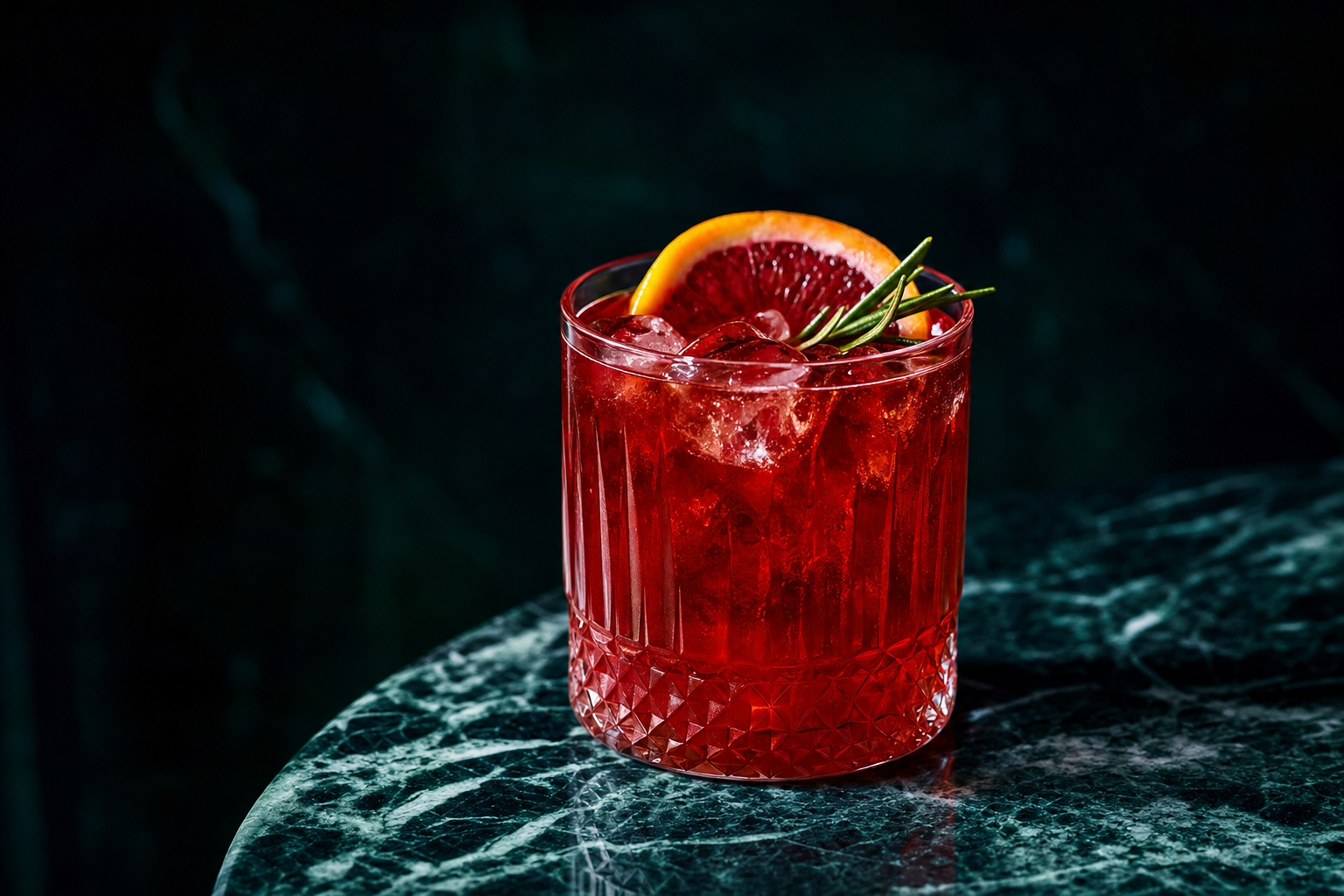
A single photograph can make the difference between a customer scrolling past your menu or calling to make a reservation. Food photography has evolved from simple documentation to a sophisticated marketing tool that drives purchasing decisions, shapes brand identity, and dominates social media feeds. In 2026, with visual content consuming more digital real estate than ever, the quality of your food imagery directly impacts your bottom line.
The challenge isn’t just taking pretty pictures. It’s creating images that tell your brand’s story, showcase what makes your dishes unique, and convert viewers into customers. Whether you’re a restaurant owner managing Instagram content or a food brand building an e-commerce presence, understanding professional food photography techniques transforms how your audience perceives your offerings.
This guide breaks down the technical and creative elements that separate amateur snapshots from professional imagery that sells. From lighting setups to composition principles, you’ll learn what goes into creating the food photography that stops thumbs mid-scroll.
Understanding Light: The Foundation of Compelling Food Photography
Light shapes everything in food photography. It defines texture, creates mood, and determines whether a dish looks appetizing or flat. Natural light remains the gold standard for most food imagery, but knowing how to control and modify it separates good photos from extraordinary ones.
The direction of light matters as much as its quality. Side lighting creates dramatic shadows that emphasize texture, perfect for rustic breads or glistening sauces. Backlighting produces a luminous quality ideal for beverages and translucent elements like honey or olive oil. Sina at Roopol Studio uses a combination of diffused natural light and color-balanced fill lighting to make textures pop in food photography, the difference between a dish that looks flat and one that makes you reach for your phone to order.
Window light offers the most accessible starting point for natural food photography. Position your setup perpendicular to a large window, using white bounce cards opposite the light source to fill shadows without losing dimension. Avoid direct harsh sunlight, which creates unflattering hot spots and overly dark shadows.
For consistent results regardless of weather or time of day, controlled artificial lighting becomes essential. Continuous LED panels with adjustable color temperature allow you to maintain brand consistency across hundreds of menu items. The key is balancing multiple light sources to mimic natural light’s softness while maintaining complete control over highlights and shadows.
Composition Techniques That Guide the Eye and Tell Stories
Composition determines how viewers experience your image. The arrangement of elements, use of negative space, and camera angle all communicate different messages about your food and brand.
The rule of thirds provides a reliable starting framework. Placing your hero element at intersection points creates natural visual interest. But rules exist to be broken strategically. Central composition works beautifully for symmetrical presentations and overhead shots of circular plates.
Layering adds depth to two-dimensional images. Include foreground elements slightly out of focus to create dimension. Background elements should support the story without competing for attention. A Toronto restaurant’s signature burger becomes more compelling when photographed with subtle brand elements, a branded napkin edge, or ingredient components that hint at quality without cluttering the frame.
Camera angle dramatically affects how food appears. Overhead shots (flat lays) work exceptionally well for plated dishes, pizza, salads, and anything with interesting top-down patterns. This angle dominates Instagram for good reason. It shows complete dish composition and photographs well in square formats.
Eye-level angles (straight on) excel for tall items like burgers, layered cakes, and stacked pancakes. This perspective emphasizes height and lets viewers see interior layers and textures. Three-quarter angles (45 degrees) offer versatility, working for most dishes while showing both top surface and sides.
Food Styling: Making Dishes Camera-Ready Without Losing Authenticity
Food styling walks a delicate line between enhancement and deception. The goal is presenting your dish at its absolute best while maintaining authenticity. Customers who order based on your photos should receive something that matches or exceeds their expectations.
Fresh ingredients photograph better than anything artificial. Herbs should look just-picked, proteins properly seared with natural color, and garnishes purposeful rather than arbitrary. Work quickly once a hot dish is plated. Steam and condensation add life to images, but food degrades rapidly under lights.
Strategic imperfection often reads as more authentic than overly manicured presentations. A slight sauce drip, scattered crumbs, or casual placement of utensils suggests the food is real and ready to eat. The styled-but-not-too-styled aesthetic resonates with audiences tired of obviously artificial imagery.
Props and surfaces should complement, not compete. Neutral backgrounds like wood, marble, or textured linens let food remain the focus. Choose plates and bowls that enhance your dish’s colors through contrast or harmony. A vibrant curry pops against white ceramics, while earth-toned dishes complement rustic presentations on dark surfaces.
When developing content for Toronto and GTA restaurants, Sina focuses on maintaining each brand’s authentic presentation style while optimizing for camera. This means understanding how different cuisines photograph best and adjusting styling techniques accordingly, whether that’s the precise geometry of fine dining or the abundant casualness of comfort food.
Technical Camera Settings for Crisp, Appetizing Food Images
Understanding your camera’s manual controls unlocks creative potential that auto modes can’t deliver. Food photography benefits from specific technical approaches that maximize sharpness, color accuracy, and depth of field control.
Aperture selection controls depth of field, how much of your image appears in focus. Wider apertures (f/2.8 to f/4) create beautiful background blur that isolates your subject. This works well for hero shots of single items. Narrower apertures (f/8 to f/11) keep more elements sharp, better for flat lay compositions where you want multiple items in focus.
Shutter speed in food photography typically stays fast enough to prevent camera shake, usually 1/125 second or faster when handholding. With tripod-mounted setups, you can slow down to 1/60 or even slower, allowing you to use lower ISO settings for cleaner images.
ISO should stay as low as possible while maintaining proper exposure. Higher ISO introduces grain that muddles fine details and color accuracy. In controlled lighting situations, ISO 100-400 produces the cleanest results. Natural light scenarios might require ISO 800-1600, which modern cameras handle well.
Shooting in RAW format instead of JPEG preserves maximum image data for post-processing flexibility. You can adjust white balance, recover highlight and shadow detail, and fine-tune colors without degrading image quality. This becomes crucial when maintaining brand color consistency across multiple shoots.
White balance accuracy ensures colors look natural and appetizing. Custom white balance using a gray card provides the most accurate results. Auto white balance works reasonably well in consistent lighting but can shift between shots, creating headaches during editing.
Post-Processing Strategies That Enhance Without Deceiving
Editing transforms good captures into polished professional images. The goal is enhancing what the camera captured, not creating something that didn’t exist. Overediting produces unnatural results that erode trust when the actual product doesn’t match the image.
Start with exposure and contrast adjustments. Food often benefits from slightly brighter midtones and controlled highlights that don’t blow out. Contrast adds punch but should stop before shadows become muddy or highlights lose detail.
Color correction ensures food appears accurate and appetizing. Adjust white balance first, then fine-tune individual color channels. Warm tones generally make food more appealing, but going too far creates an unnatural orange cast. Greens should look fresh, not neon. Proteins should maintain natural color without looking gray or oversaturated.
Sharpening brings out texture details that make food tactile and real. Apply selectively to the main subject rather than globally. Over-sharpening creates harsh halos and artificial-looking edges. The goal is enhanced clarity that viewers don’t consciously notice.
Dodging and burning, selectively lightening and darkening areas, adds dimension and guides the viewer’s eye. Lighten the hero elements slightly while darkening edges and less important areas. This subtle vignetting effect creates natural focus without obvious manipulation.
Consistency matters enormously for brand content. Developing a signature editing style creates visual cohesion across your feed and marketing materials. When creating content packages for GTA brands, maintaining consistent color grading and editing approach ensures every image feels part of a unified brand story, whether it’s a single Instagram post or a complete menu redesign.
Smartphone Food Photography: Professional Results Without Professional Gear
Modern smartphones produce remarkably capable food photography when you understand their strengths and limitations. The best camera is the one you have with you, and for many restaurant owners managing daily social media, that’s a phone.
Smartphone cameras excel in good light. Their small sensors struggle with low light and high contrast situations but produce excellent results in soft, even lighting. Use the HDR mode for high-contrast scenes, but turn it off for normal situations where it can create unnatural results.
Avoid digital zoom entirely. It degrades image quality significantly. Instead, move closer or plan to crop in post-processing. Most phones now include multiple lenses, wide, standard, and telephoto. The standard lens typically produces the most natural perspective for food.
Focus and exposure control makes the difference between snapshots and intentional images. Tap your screen to set focus on the hero element. On most phones, holding your finger on screen locks focus and exposure, then you can slide up or down to adjust brightness before capturing.
Third-party camera apps offer manual controls similar to DSLR cameras. Apps like Halide or ProCamera let you adjust ISO, shutter speed, and white balance independently, unlocking creative control auto modes don’t provide.
Editing apps transform smartphone captures into polished content. Lightroom Mobile provides professional-grade editing tools including selective adjustments and preset workflows. VSCO offers stylistic filters that maintain a more natural look than Instagram’s often harsh built-in filters. Snapseed includes powerful selective editing tools for fine-tuning specific areas.
The limitation isn’t the phone itself but understanding photographic principles. Proper lighting, thoughtful composition, and careful styling matter far more than megapixels or sensor size. A well-lit, carefully composed smartphone image outperforms a poorly executed DSLR shot every time.
Building a Strategic Food Photography Workflow for Consistent Brand Content
Consistency separates professional brand content from random food snapshots. Developing a systematic workflow ensures every image meets brand standards while maintaining efficiency as you scale content production.
Start with a shot list that outlines exactly what you need before the shoot begins. For restaurants, this might include hero shots of signature dishes, detail shots highlighting unique ingredients, atmospheric shots showing ambiance, and process shots demonstrating preparation. Planning prevents forgotten items and wasted setup time.
Develop a lighting setup you can replicate. Document your configuration with photos and notes including light placement, diffusion methods, and camera settings. This allows you to maintain visual consistency across multiple shoots, essential when photographing seasonal menus or product variations.
Create a props and surfaces library aligned with your brand aesthetic. Gather plates, linens, utensils, and backgrounds that complement your visual identity. Having these elements ready eliminates last-minute scrambling and ensures cohesive styling across images.
Batch similar shots together. If you’re using overhead composition, photograph all overhead items consecutively before changing setup. This efficiency matters enormously when shooting complete menus or large product catalogs.
Establish an editing workflow with presets or actions that apply your brand’s look consistently. While each image needs individual attention, starting from a consistent baseline accelerates the process and maintains visual harmony. When Roopol Studio develops social media content for Toronto restaurants, the workflow includes custom presets matching each brand’s established color palette and mood, ensuring a month’s worth of content feels cohesive even when shot across multiple sessions.
Build a content calendar that balances hero images, supporting shots, and behind-the-scenes content. This strategic mix maintains audience engagement better than an endless stream of plated dishes. Include process shots showing preparation, ingredient close-ups highlighting quality, and team photos adding human connection.
Measuring Impact: How Food Photography Drives Business Results
Professional food photography isn’t an expense, it’s an investment with measurable returns. Understanding how to track and optimize based on performance data turns visual content into a strategic business tool.
Social media engagement metrics provide immediate feedback. Track which images generate the most likes, comments, shares, and saves. Saves indicate particularly strong content, people bookmarking for later reference or sharing privately. Analyze patterns in your top-performing content. Do certain compositions, dishes, or styling approaches consistently outperform others?
Website analytics reveal how imagery affects user behavior. Monitor bounce rates and time on page for menu and product pages. High-quality imagery typically increases engagement and reduces bounce rates. Track which product images lead to the most add-to-cart actions in e-commerce contexts.
Conversion tracking connects imagery to revenue. Use UTM parameters on social posts to track which visual content drives website traffic and conversions. A/B test different images for the same dish or product to identify which style resonates most with your audience.
Direct customer feedback offers qualitative insights. Comments mentioning specific dishes they’re excited to try or questions about menu items indicate your imagery is creating desire and engagement. Track reservation notes or order comments that reference seeing items on social media.
Compare performance before and after implementing professional photography. Many Toronto restaurants see immediate engagement increases of 40-60% when upgrading from smartphone snapshots to professional food photography, with corresponding increases in customer inquiries and reservations.
The data informs future creative decisions. If overhead angles consistently outperform 45-degree shots for your audience, adjust your content strategy accordingly. If certain color palettes or styling approaches drive more engagement, lean into those aesthetic choices.
Common Food Photography Mistakes and How to Avoid Them
Even experienced photographers fall into predictable traps that diminish food imagery impact. Recognizing these common issues helps you avoid them and elevate your results immediately.
Overhead lighting creates flat, unappetizing results. The overhead fixtures in most kitchens and restaurants cast harsh shadows and eliminate the dimension that makes food look delicious. Always use side lighting, whether natural or artificial, to create texture and depth.
Cluttered compositions distract from the hero dish. Every element in frame should serve a purpose. Random props, busy backgrounds, or too many competing dishes dilute impact. Embrace negative space and let your main subject breathe.
Incorrect white balance makes food look unappetizing. Blue-tinted images suggest cold, unappetizing food. Overly yellow casts look artificial. Take time to set accurate white balance, especially when mixing natural and artificial light sources.
Shooting from too high or too low misrepresents the dish. While overhead works for certain items, shooting a burger from directly above hides its impressive height. Conversely, shooting a beautifully plated salad at eye level misses the top-down composition that shows its full arrangement.
Over-editing destroys authenticity. Overly saturated colors, unnatural sharpening, and heavy-handed filters create images that look fake. Customers feel deceived when the actual product doesn’t match the overly processed photograph. Edit to enhance, not transform.
Inconsistent styling across your content creates brand confusion. Switching between minimalist and abundant styling, modern and rustic props, or bright and moody lighting makes your feed feel disjointed. Establish a visual identity and maintain it consistently.
Ignoring technical sharpness standards produces unprofessional results. Slightly soft focus or camera shake that’s barely noticeable on a phone screen becomes obvious on larger displays. Always check focus at 100% zoom before considering a shot complete.
Frequently Asked Questions
What equipment do I actually need to start professional food photography?
You can begin with minimal gear and expand as skills develop. A camera with manual controls (even a high-end smartphone), a single light source near a window, white foam boards for bounce cards, and simple neutral backgrounds get you started. As you progress, invest in a tripod for sharpness and consistency, a reflector kit for better light control, and editing software like Lightroom. Professional studios build from there with dedicated lighting systems, lens collections, and extensive prop libraries, but technical skill matters more than equipment quantity.
How many photos should I expect from a professional food photography session?
A professional session typically delivers 15-30 fully edited final images depending on scope and complexity. A single hero dish with variations might yield 3-5 final images, while a full menu shoot produces comprehensive coverage. The number matters less than ensuring each image serves a specific purpose in your content strategy. Quality-focused photographers shoot hundreds of frames but deliver only the best after careful selection and editing. When discussing video production or photo packages, clarify deliverable expectations upfront to ensure the scope matches your content needs.
Should I hire a food photographer or learn to do it myself?
The answer depends on volume, budget, and quality requirements. Learning basic food photography makes sense for daily social media content and developing your creative eye. However, professional photography delivers measurably better results for high-impact applications like menu redesigns, advertising campaigns, website hero images, and brand launches. Many successful restaurants use a hybrid approach, hiring professionals for signature dishes and brand-defining content while handling daily social posts internally. The ROI calculation is simple: if better imagery demonstrably increases orders and engagement, professional photography pays for itself quickly.
How do I maintain consistent quality when photographing an entire menu?
Consistency requires systematic workflow and careful planning. Establish a lighting setup you can replicate exactly, documenting positions and settings. Create a shot list organizing dishes by composition angle and styling approach so you batch similar setups together. Develop editing presets that apply your brand’s color and tone baseline to every image. Work with the same props and backgrounds throughout the shoot. Most importantly, maintain the same quality standards for every dish, signature items and sides alike. Your least impressive image defines your perceived standard, not your best one.
What makes food photography different from other types of product photography?
Food photography presents unique challenges that don’t exist with most products. Food degrades rapidly, especially hot items, requiring fast, decisive work. Texture and freshness indicators like steam, glisten, and vibrant color demand specific lighting and timing. Food triggers emotional and sensory responses beyond visual appeal, your images must suggest taste, aroma, and texture. Cultural and psychological factors affect perception, what looks appetizing varies significantly across cuisines and audiences. Finally, authenticity matters more than with typical products because customers will directly compare your image to what arrives at their table, creating trust issues if the gap is too wide.
Creating Visual Content That Converts Viewers Into Customers
Food photography transcends aesthetic appeal when it’s strategically aligned with business goals. The techniques covered here, from lighting fundamentals to composition strategies, from styling authenticity to post-processing polish – work together to create imagery that doesn’t just look beautiful but actively drives customer decisions. Sina’s approach at Roopol Studio centers on understanding each brand’s unique story and translating that into visual content that resonates with their specific audience, whether that’s a Yorkville fine dining establishment or a Scarborough comfort food destination.
Ready to transform how your audience sees your food? Book a free consultation to discuss how professional food photography and content creation can elevate your brand and drive measurable results for your Toronto or GTA business.