

What Is Video Production: A Complete Guide for Brands and Business Owners
Your competitor just posted a thirty-second video that tripled their engagement overnight. Meanwhile, your static images sit collecting digital dust. Here’s the truth: video production isn’t just filming something and hoping it works. It’s a strategic visual language that transforms how customers perceive your brand, and understanding its depth is the difference between content that converts and content that disappears into the scroll.
Video production encompasses the entire creative and technical process of crafting moving visual content, from initial concept to final delivery. But calling it simply “making videos” is like calling architecture “stacking bricks.” At its core, professional video production combines storytelling, cinematography, sound design, and strategic editing into a singular experience that captures attention and drives action. Whether you’re a Toronto restaurant showcasing your signature dish or a brand launching a product line, video production is how you make people feel something before they’ve even walked through your door.
The stakes have never been higher. Social platforms now prioritize video content by factors of ten compared to static images. Your audience’s attention span shrinks daily, yet their expectations for quality skyrocket. Understanding what video production truly involves helps you invest wisely and create content that actually delivers results.
The Three Core Phases of Video Production
Video production breaks into three distinct phases, each critical to your final outcome. Skip or rush any phase, and you’ll see it in the finished product.
Pre-Production: Where Strategy Meets Vision
This is where most amateur content fails before the camera even turns on. Pre-production is the planning phase where you define objectives, develop concepts, and map out every shot. For a restaurant client, this might mean storyboarding how steam rises from a signature pasta dish or planning the exact lighting angle that makes chocolate ganache look irresistible.
During pre-production, professionals tackle:
- Creative brief development and goal alignment
- Script or shot list creation
- Location scouting and logistics coordination
- Casting decisions (if talent is involved)
- Equipment and crew planning
- Scheduling and timeline management
At Roopol Studio, we’ve learned that pre-production conversations with Toronto and GTA clients often reveal their actual needs versus what they initially requested. A business owner might ask for a product video when what they really need is a brand story that contextualizes their offering. This discovery phase saves time and budget while dramatically improving results.
Production: Capturing the Vision
This is the execution phase where cameras roll and content comes to life. Production involves cinematography, lighting setup, audio recording, and directing talent or products. The quality gap between professional and amateur becomes immediately obvious here.
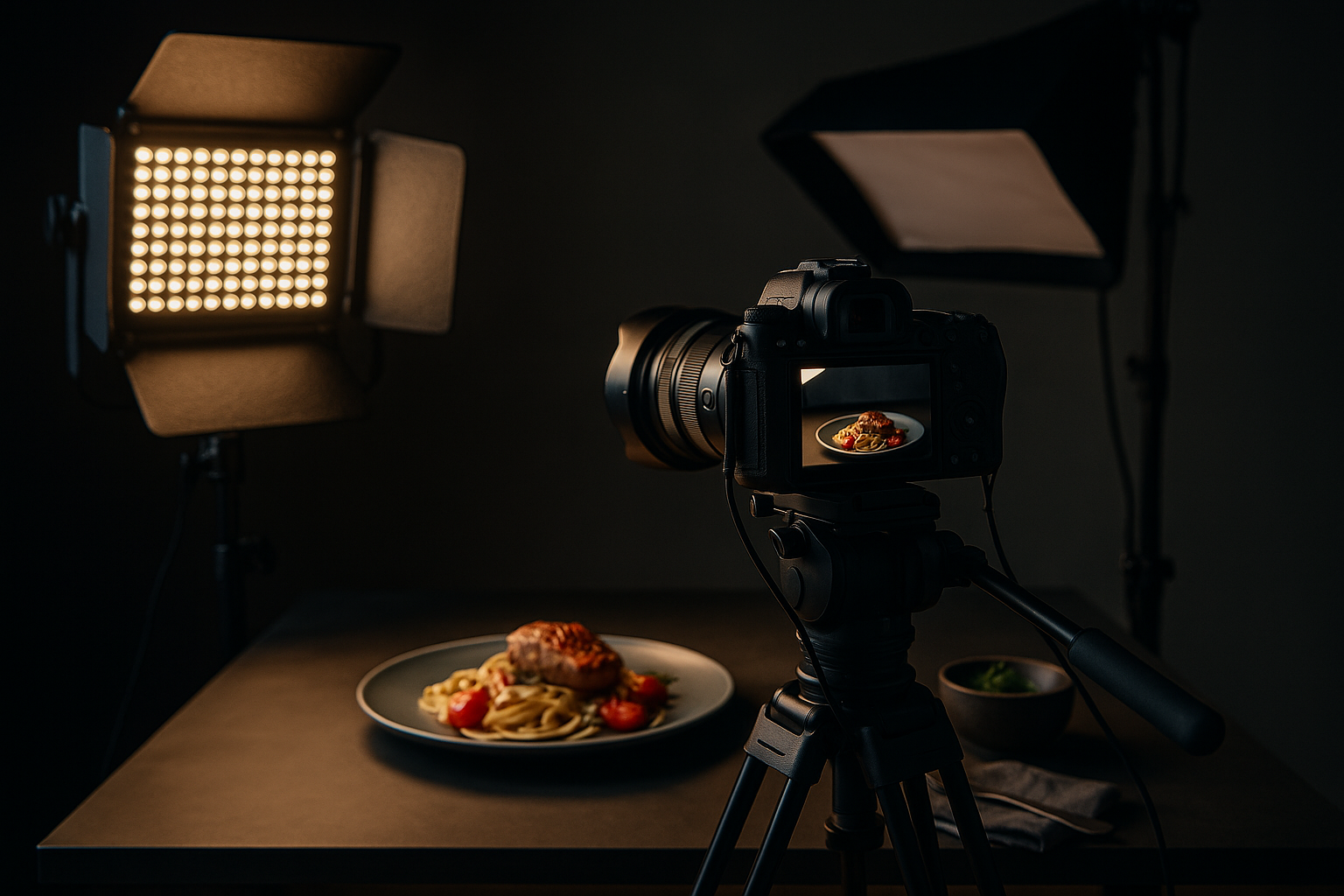
Professional production considers frame composition with painter’s precision. Every element within the frame serves a purpose. Light doesn’t just illuminate; it creates mood, directs attention, and establishes atmosphere. When filming food content for restaurants, the difference between adequate and exceptional often comes down to understanding how different lighting temperatures affect how appetizing food appears on camera.
Sound capture matters more than most realize. Viewers will tolerate slightly imperfect visuals, but poor audio makes content unwatchable. Professional production includes proper microphone selection, ambient sound management, and backup audio recording to ensure nothing is lost.
Post-Production: The Transformation
Raw footage never tells the complete story. Post-production is where disparate clips become a cohesive narrative. This phase includes editing, color grading, sound mixing, motion graphics, and final output formatting.
Editing determines pacing and emotional rhythm. A promotional video for a high-energy fitness brand demands quick cuts and dynamic transitions. A luxury product video requires longer, more deliberate shots that let viewers absorb details. Color grading ensures visual consistency and enhances mood. The warm amber tones that make comfort food irresistible would feel wrong for a modern tech product.
Sound design adds layers most viewers don’t consciously notice but absolutely feel. Background music, sound effects, and audio mixing create psychological impact that elevates good footage into compelling content.
Essential Video Production Equipment and Technology
Understanding equipment helps you evaluate production partners and grasp why professional video production commands its pricing.
Cameras form the foundation, but not all cameras serve all purposes. Cinema cameras capture rich color data and dynamic range that survives intensive editing. Mirrorless cameras offer versatility and excellent quality for many commercial applications. Specialized cameras like high-speed models capture slow-motion footage that makes ordinary moments extraordinary.
Lenses matter as much as camera bodies. Wide-angle lenses create spacious, immersive environments. Macro lenses reveal intricate product details invisible to the naked eye. Prime lenses with wide apertures create that creamy background blur that makes subjects pop. When Roopol Studio shoots food content, lens selection often determines whether a dish looks flat or dimensional.
Lighting equipment separates adequate from exceptional. Professional production uses multiple light sources to shape subjects, control shadows, and create depth. Softboxes, LED panels, and reflectors work together to build the exact mood your brand requires.
Stabilization gear keeps footage smooth and professional. Gimbals allow fluid camera movement that follows action naturally. Sliders create cinematic reveals. Tripods provide rock-solid stability for interview content.
Audio equipment includes shotgun microphones for directional recording, lavalier mics for interviews, and field recorders for high-quality capture. Poor audio ruins otherwise excellent footage, making this investment non-negotiable for professional results.
Types of Video Production for Business and Brands
Different objectives require different video approaches. Understanding these categories helps you commission the right content for your specific goals.
Commercial and Promotional Videos
These videos drive direct business outcomes. They showcase products, explain services, or promote specific offers. The best commercial videos balance information with emotion, giving viewers both rational reasons to buy and emotional reasons to care. Length typically ranges from fifteen seconds for social ads to two minutes for comprehensive product demos.
Brand Story and Documentary-Style Content
These videos build deeper connections by revealing your brand’s personality, values, and people. They might profile your founder, show your creation process, or highlight customer impact stories. Authenticity matters more than polish here. Audiences connect with genuine human moments more than perfectly scripted corporate speak.
Social Media Video Content
Platform-specific video content follows different rules. Instagram Reels demand vertical framing and front-loaded hooks. YouTube content can sustain longer formats with deeper information. TikTok videos thrive on authentic, trend-aware approaches. Understanding these platform nuances is part of what separates strategic video production from simply pointing a camera and hoping.
Food and Product Videography
Specialized content requires specialized expertise. Food videography involves unique challenges: maintaining food appearance under hot lights, timing shots before items lose visual appeal, and using techniques that trigger appetite responses. Product videography requires revealing texture, scale, and functionality while maintaining visual interest throughout.
Event Coverage and Documentation
Capturing live events demands different skills than controlled studio shoots. Event videographers must anticipate moments, adapt to changing conditions, and capture content that can’t be re-shot. This content serves both promotional purposes and creates lasting documentation of important brand moments.
Why Professional Video Production Delivers Better ROI
The smartphone in your pocket shoots decent video. So why invest in professional production?
Production value immediately signals brand credibility. Audiences make instant judgments about your professionalism based on content quality. Poor lighting, shaky footage, or muddy audio suggests amateur operation, even if your actual service is exceptional. Professional video production aligns your visual presence with your brand promise.
Strategic execution delivers specific outcomes. Professional producers don’t just capture pretty footage; they craft content designed to achieve your business objectives. Every creative decision serves your goal, whether that’s driving sales, building awareness, or establishing authority.
Technical expertise prevents costly mistakes. Proper exposure ensures footage can be color-graded effectively. Correct frame rates allow smooth slow-motion. Proper codec selection maintains quality through editing and output. These technical considerations seem invisible when done right but become glaring problems when missed.
Efficiency saves time and money. Experienced production teams work faster, require fewer takes, and avoid common pitfalls that plague amateur shoots. What might take an inexperienced team a full day, professionals accomplish in hours.
Professional editing transforms raw footage into compelling narratives. Anyone can string clips together, but expert editors understand pacing, rhythm, and psychological impact. They know which moments to emphasize and which to cut, creating content that holds attention from first frame to final call-to-action.
The Video Production Process for Toronto and GTA Businesses
Understanding the typical workflow helps you prepare for a smooth production experience and maximize your investment.
Initial consultation establishes objectives and explores possibilities. What business problem does this video solve? Who is your target audience? Where will this content appear? How does it fit your broader marketing strategy? These conversations shape everything that follows.
Creative development translates business goals into visual concepts. This might include mood boards, reference videos, or detailed shot descriptions. For restaurant clients across the GTA, we often create visual style guides that ensure their video content aligns with their existing brand photography and overall aesthetic.
Production planning handles logistics. Schedule coordination, location preparation, talent coordination, and equipment planning happen here. Clear communication during this phase prevents day-of surprises that derail shoots.
Shoot day execution brings plans to life. Professional crews work efficiently, communicate clearly, and adapt to unexpected challenges. The best production experiences feel collaborative, with clients involved enough to ensure their vision is captured but trusting professionals to handle technical execution.
Post-production transforms footage into finished content. Initial edits provide overall structure. Revisions refine details. Final delivery includes properly formatted files for each intended platform.
Content strategy extends beyond production. How will you deploy this video? What calls-to-action will you include? How will you measure performance? The most effective video content integrates into broader marketing systems rather than existing as isolated pieces.
Choosing the Right Video Production Partner
Not all video production services deliver equal results. Selecting the right partner dramatically impacts your outcome and experience.
Review portfolios with a critical eye. Look beyond technical quality to strategic execution. Does their work show variety, or does everything look the same? Can you see evidence of tailored approaches for different clients and objectives? Strong portfolio work demonstrates both technical capability and creative versatility.
Industry specialization matters for specific content types. Food videography requires different expertise than corporate interviews or product demos. A production company experienced in your industry understands the visual language that resonates with your audience.
Communication style predicts working relationships. Do they ask insightful questions about your business? Do they offer suggestions or simply execute orders? The best production partners act as creative collaborators who enhance your vision rather than just fulfilling requirements.
Local production offers practical advantages. When working with Ontario-based businesses, having a production team familiar with Toronto and GTA locations, regulations, and logistics simplifies coordination. Local teams can scout locations easily, adapt to weather patterns, and build ongoing relationships that improve with each project.
Pricing structure should be transparent and logical. Professional video production represents significant investment, but you should clearly understand what you’re paying for. Beware of quotes that seem too good to be true; they usually are. Quality video production requires skilled professionals, specialized equipment, and considerable time investment.
Maximizing Your Video Content’s Impact
Creating excellent video content is only half the equation. Strategic deployment multiplies your production investment.
Platform optimization ensures content performs well wherever it appears. Vertical video for Instagram Stories, square formats for feed posts, horizontal for YouTube, and platform-specific captions all improve performance. Professional production teams deliver multiple optimized versions from a single shoot, maximizing versatility.
SEO considerations extend to video content. YouTube videos benefit from keyword-optimized titles, descriptions, and tags. Transcripts improve accessibility and searchability. Thumbnail selection dramatically impacts click-through rates.
Repurposing extends content lifespan. A single professionally produced video can become dozens of clips for social media, GIFs for email marketing, still frames for print materials, and background content for presentations. Smart production planning captures this extra content during original shoots.
Performance tracking informs future decisions. Monitor view counts, engagement rates, drop-off points, and conversion metrics. This data reveals what resonates with your audience and guides future content strategy.
Consistent content cadence builds audience expectations. One viral video might spike awareness temporarily, but regular quality content builds lasting relationships. Many successful brands work with production partners to create content packages that deliver ongoing material rather than one-off projects.
Video Production Investment: Understanding Costs and Value
Video production costs vary enormously based on project scope, complexity, and intended use. Understanding pricing factors helps you budget appropriately and evaluate proposals.
Crew size and expertise drive labor costs. A simple product video might require only a cinematographer and editor. Complex productions might need directors, camera operators, lighting technicians, sound engineers, and production assistants. Specialized expertise commands appropriate rates.
Equipment requirements affect pricing. Basic setups use standard cameras and lighting. High-end productions might require cinema cameras, specialized lenses, drones, or motion control equipment. Equipment costs reflect both purchase price and operator expertise.
Production complexity impacts timeline and therefore cost. Shooting in a controlled studio environment differs dramatically from coordinating location shoots across multiple days. Talent, permits, and location fees add up quickly.
Post-production intensity varies by project. Simple edits with basic color correction require less time than projects with extensive motion graphics, complex sound design, or numerous revision rounds.
Licensing and usage rights matter for commercial content. Music licensing, talent releases, and location agreements all carry costs. Professional production companies handle these details properly, protecting you from legal issues down the road.
Smart brands view video production as investment rather than expense. A well-produced video used strategically delivers returns far exceeding its production cost. Calculate value based on outcomes achieved, not just dollars spent.
Frequently Asked Questions About Video Production
How long does professional video production typically take?
Timeline depends on project complexity, but most commercial video projects span two to four weeks from initial consultation to final delivery. Simple projects with minimal editing might complete in one week. Complex productions with multiple shoot days, extensive editing, or custom motion graphics can require six to eight weeks. Rush timelines are possible but often cost more and limit creative exploration. The pre-production phase typically takes one to two weeks, shooting happens in one to three days, and post-production requires one to two weeks including revision rounds.
What should I prepare before a video production shoot?
Preparation dramatically impacts shoot efficiency and results. Clarify your objectives and key messages before production begins. Gather brand assets like logos, color codes, and existing visual materials. Prepare your location by decluttering, cleaning, and ensuring adequate space for equipment and crew. If featuring products, have multiple samples ready in case of damage or imperfections. For food content, coordinate with chefs on timing since food appearance degrades under lights. Identify who will be available for decisions on shoot day. Review and approve scripts, shot lists, or storyboards before production. This preparation allows crews to focus on capturing excellent content rather than solving preventable problems.
Can I use my own video content across all marketing platforms?
Yes, but smart deployment requires platform-specific optimization. A single professionally produced video should be formatted multiple ways for different platforms. YouTube prefers horizontal 16:9 format. Instagram Stories and Reels work best vertical. Feed posts perform well as square or 4:5 ratio. TikTok demands vertical with quick hooks. Professional production teams often deliver multiple optimized versions from one shoot. Beyond format, consider length requirements: TikTok and Reels favor under sixty seconds, YouTube allows longer content, and paid ads might need fifteen or thirty-second versions. Captions matter too since most social video plays without sound initially. Request multiple deliverables during planning to maximize your production investment.
How do I measure video content success?
Metrics depend on your objectives. Brand awareness campaigns track views, reach, and impressions. Engagement-focused content measures likes, comments, shares, and watch time. Conversion-oriented videos monitor click-through rates, landing page visits, and sales attributed to video traffic. YouTube Analytics, Instagram Insights, and Facebook Business Manager provide detailed performance data. Watch time and audience retention graphs reveal where viewers lose interest, informing future content. Track completion rates to gauge whether content holds attention. For website videos, monitor how video presence affects bounce rates and time on page. Advanced tracking includes UTM parameters for traffic source attribution and conversion pixels for sales tracking. Define success metrics before production begins so you create content designed to deliver measurable results.
Should I create video content in-house or hire professionals?
This depends on content type, quality requirements, and available resources. Behind-the-scenes social content and casual updates often work well in-house with modern smartphones and basic editing apps. This content benefits from authenticity and frequency over polish. However, flagship brand videos, commercial content, and material representing your brand to new audiences justify professional production. Professionals deliver higher production value, strategic creative direction, technical expertise, and efficiency. Consider hybrid approaches: work with professionals like Roopol Studio for cornerstone content that defines your visual brand, then create supplementary in-house content that maintains presence between major productions. This balances quality, authenticity, and budget. If attempting in-house production, invest in basic training, decent equipment, and understand platform-specific best practices to avoid amateur pitfalls.
Transform Your Brand Through Strategic Video Production
Video production is no longer optional for businesses serious about growth. Your audience expects dynamic visual content that informs, entertains, and inspires action. Understanding what video production truly involves helps you make smart investments that deliver tangible returns. From strategic pre-production planning through technical execution to final delivery, professional video production transforms how customers perceive and engage with your brand.
At Roopol Studio, we’ve helped Toronto and GTA brands, restaurants, and businesses tell their stories through compelling video content that drives real results. Whether you need mouth-watering food videography, product showcases that convert, or brand stories that build lasting connections, our team brings both creative vision and technical expertise to every project. Ready to elevate your visual content? Book a free consultation and let’s discuss how strategic video production can transform your brand’s digital presence and deliver the business outcomes you’re seeking.